Can You Use PPF and Ceramic Coating Together?
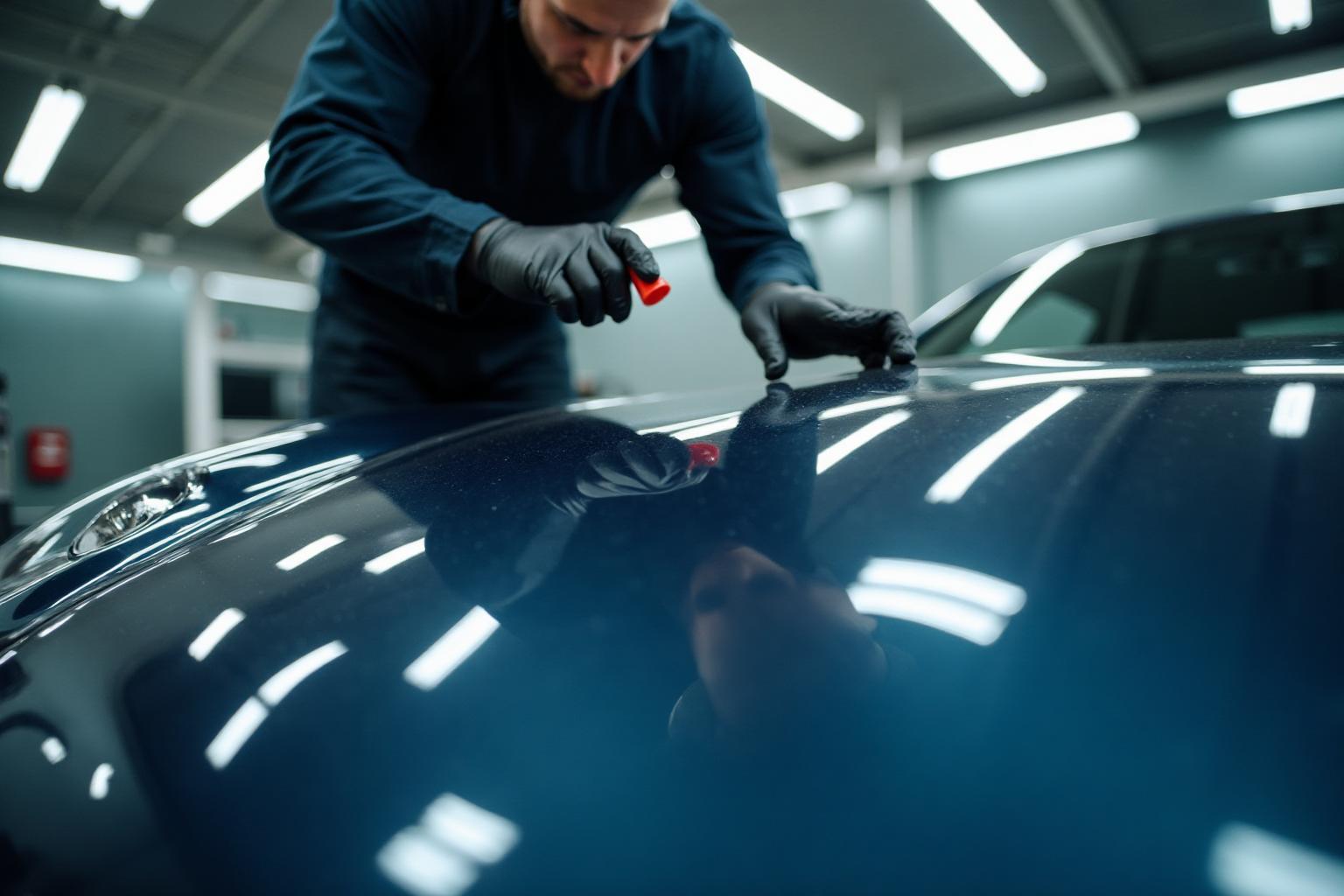
One of the most frequently asked questions: Can I apply ceramic coating over paint protection film? The short answer is yes—and many professionals actually recommend it for ultimate protection.
The Ultimate Protection Combination
Yes, you can (and should) use PPF and ceramic coating together. After installing both for years in Scottsdale, I recommend this combination for maximum protection. PPF stops rock chips and impact damage while ceramic coating provides chemical resistance and gloss enhancement. Learn the differences in our detailed comparison. Ready for complete protection? Check our packages. Together they provide comprehensive protection that neither can achieve alone. At Upscale Detailz, approximately 80% of our PPF installations include ceramic coating for this reason.
Why Use Both
PPF and ceramic coating serve different protection functions. PPF (Paint Protection Film) is a thick urethane film that absorbs impact damage—rock chips, key scratches, door dings, and abrasion. It's physical armor for your paint.
Ceramic coating is a chemical barrier that bonds to the surface, providing protection against UV rays, chemical etching, water spotting, and oxidation. It also enhances gloss and makes cleaning easier. Neither can do what the other does.
How They Work Together
When combined, PPF provides the impact protection base layer while ceramic coating goes on top of the PPF, sealing it and enhancing its properties. The ceramic coating actually improves PPF performance by reducing edge lifting, preventing yellowing, making it easier to clean, and adding chemical resistance.
The PPF protects the actual paint from physical damage, while the ceramic coating protects both the PPF and exposed paint from environmental damage. It's comprehensive protection that addresses every threat your vehicle faces.
Application Process
The correct sequence is critical. First, we perform paint correction to create a perfect surface. Next, we install PPF on high-impact areas (front bumper, hood, fenders, mirrors, etc.). Then we allow PPF to cure for 24-48 hours.
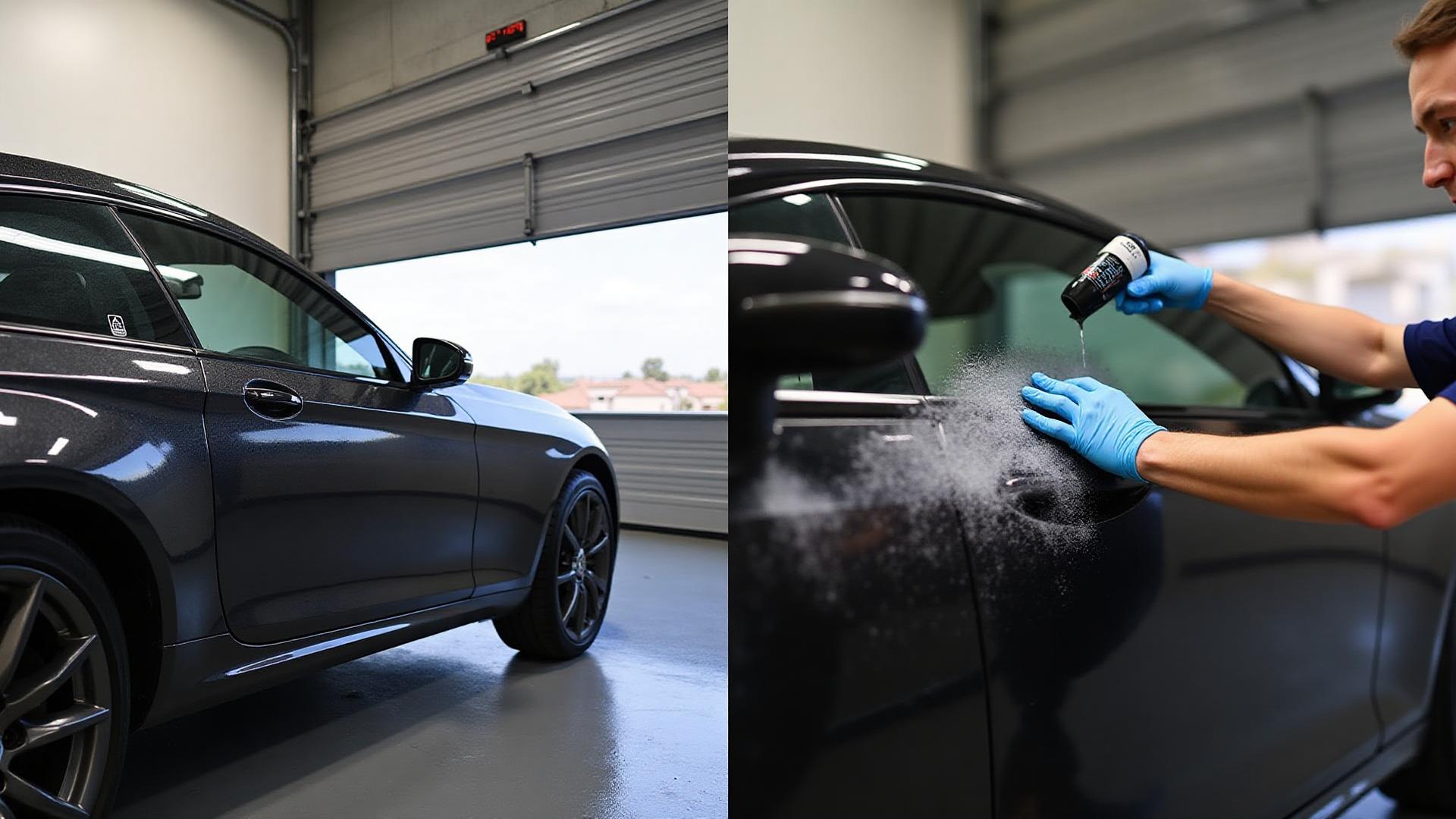
After the PPF has cured, we apply ceramic coating over the entire vehicle—both PPF-covered areas and exposed paint. This ensures uniform appearance and protection. The ceramic coating bonds to PPF just as it bonds to clear coat, creating a sealed system.
Coverage Recommendations
For most clients in Scottsdale, we recommend PPF on high-impact zones: full front bumper, full hood, front fenders, side mirrors, door edges, and door handle cups. These areas take 90% of rock chips and impact damage.
Then we apply ceramic coating over the entire vehicle, including the PPF areas. This provides maximum protection where needed while keeping costs reasonable. Full PPF wraps are available but typically only needed for exotic or high-risk vehicles.
Cost Considerations
Combining both is an investment, but the cost breakdown makes sense. Partial PPF installation typically runs $1,500-$3,500 depending on coverage, full vehicle ceramic coating adds $1,499-$1,799, totaling $3,000-$5,300 for complete protection.
Compare this to repainting a hood ($1,000-$1,500), fixing multiple rock chips ($50-$150 each), or paint correction for chemical damage ($500-$800). The protection package pays for itself by preventing this damage. Check our full pricing details.
Maintenance Benefits
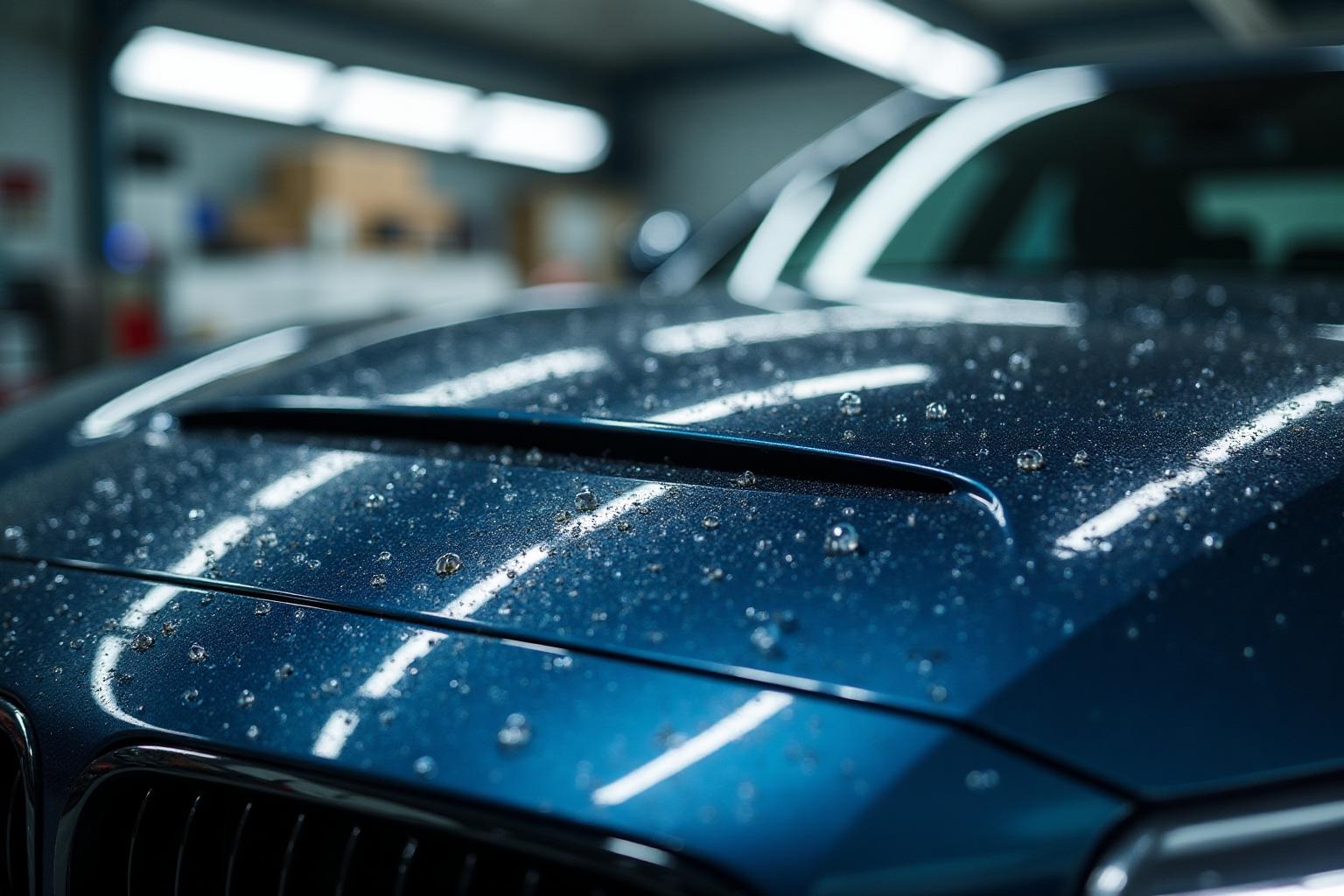
Ceramic coating over PPF dramatically simplifies maintenance. PPF alone can be difficult to clean—dirt and water spots adhere to the urethane surface. Ceramic coating makes PPF hydrophobic, so water beads off, dirt doesn't stick, and cleaning is effortless.
Both the PPF and exposed paint areas clean uniformly and easily. You're not dealing with different cleaning challenges for different surfaces. Learn proper washing techniques for ceramic coating.
Longevity and Durability
Quality PPF lasts 7-10 years with proper care. Ceramic coating over PPF extends this by protecting the film from UV degradation and preventing yellowing. The ceramic coating itself lasts 5-7 years and can be reapplied without removing PPF.
When it's time to refresh the ceramic coating, we simply perform light decontamination and reapply. The PPF underneath remains protected and functional. This staged maintenance approach is cost-effective and practical.
Arizona Climate Advantage
In Arizona, this combination is particularly valuable. PPF protects against our notorious rock chips from desert debris, while ceramic coating handles extreme UV exposure (prevents PPF yellowing), chemical resistance against monsoon acid rain, and water spot prevention from hard water.
We see far more damage on vehicles with only one form of protection versus those with both. The combination handles Arizona's unique challenges better than either product alone.
Appearance Enhancement
One concern clients have is whether PPF will look different from exposed paint. When ceramic coating is applied over everything, it creates a uniform appearance. The gloss enhancement and depth from ceramic coating makes both PPF areas and exposed paint look identical.
In fact, ceramic coating over PPF often makes PPF look better than it would alone. The coating fills microscopic imperfections in the film surface, creating a glass-like finish that's indistinguishable from coated paint.
Warranty Considerations
Most PPF manufacturers explicitly allow ceramic coating over their films. In fact, many recommend it. The ceramic coating doesn't void PPF warranty—it enhances the product's performance and longevity.
At Upscale Detailz, when you get both PPF and ceramic coating from us, we provide comprehensive warranty coverage for the complete system. You're not dealing with multiple installers or warranty conflicts.
Real-World Protection Scenarios
Highway rock chip: PPF absorbs the impact, preventing paint damage. The ceramic coating keeps the PPF clean and clear so you can see there's no damage. Bird droppings: ceramic coating prevents the acid from etching the PPF, wipes off cleanly without staining.
Water spots: ceramic coating causes water to sheet off PPF, preventing the mineral deposits that can permanently mar uncoated film. Swirl marks: ceramic coating's hardness prevents wash-induced marring of the softer PPF surface.
Who Should Get Both
This combination is ideal if you have a new or recently corrected vehicle, do frequent highway driving (rock chips), live in harsh climates like Arizona, want maximum resale value protection, or plan to keep your vehicle 5+ years.
If you're already investing in PPF, adding ceramic coating is a relatively small additional cost that dramatically improves the system. Most of our clients who initially planned only PPF end up adding ceramic coating after understanding the benefits. Get a free consultation and quote.
Jeff Sheppard
Owner & Lead Detailing Specialist
Jeff is Upscale Detailz's Master Detailing Technician with extensive certifications in ceramic coating systems.