Ceramic Coating vs PPF (What's the Difference?)
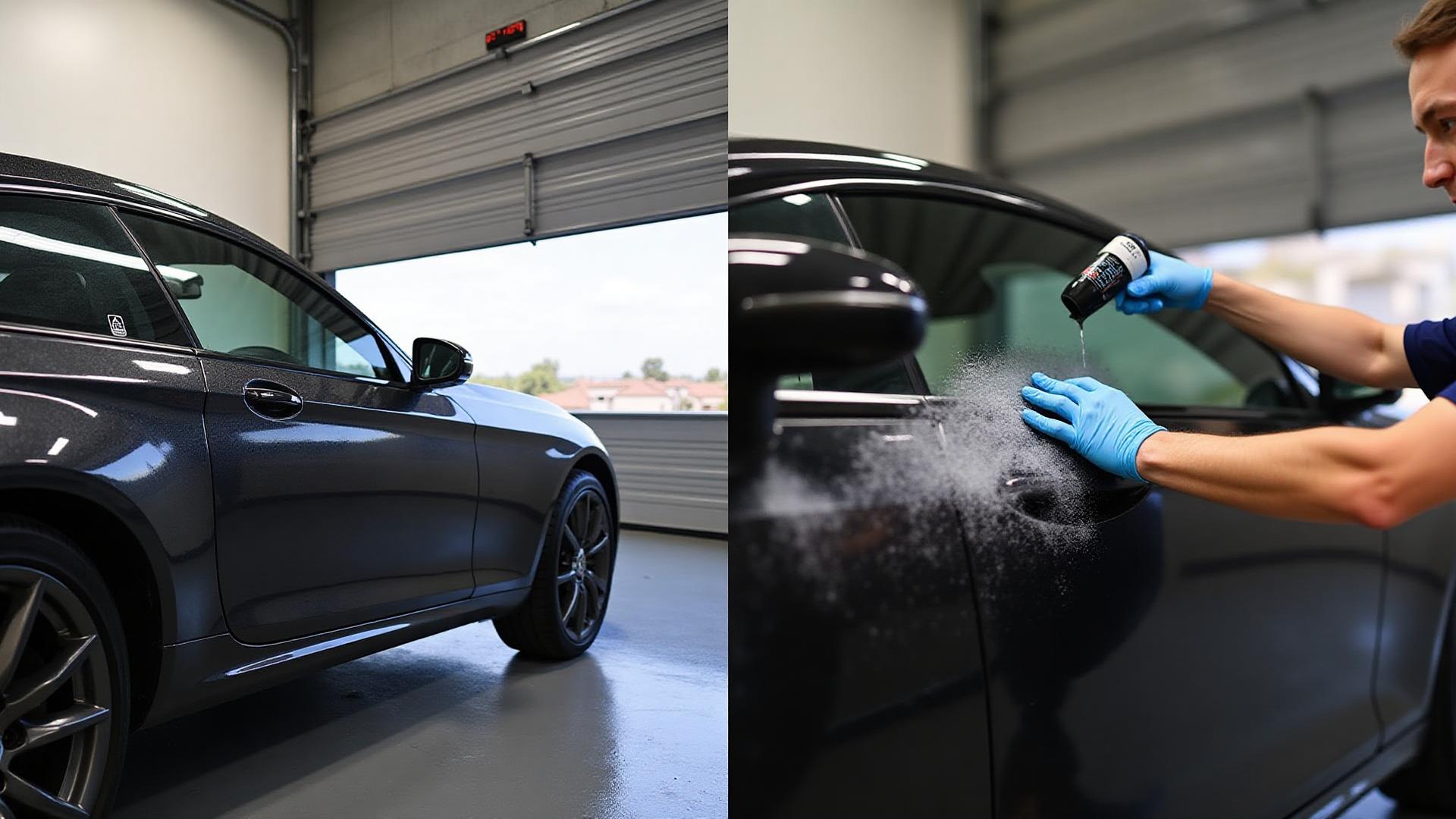
Ceramic coating and paint protection film are both excellent protection options—but they work completely differently and protect against different threats. Understanding the core differences helps you choose the right protection for your vehicle and budget.
The Fundamental Difference
Ceramic coating and paint protection film (PPF) serve different purposes. After installing both for years in Scottsdale, I can explain exactly what each protects against and when you need which one. Learn about using both together or see our three-way comparison including wax.
Ceramic coating creates a semi-permanent chemical bond with your clear coat at the molecular level. It doesn't add thickness—it enhances the properties of your existing paint surface. Think of it as upgrading your paint's chemistry.
Paint Protection Film (PPF) is a physical urethane film—typically 6-8 mils thick—applied on top of your paint. It's a sacrificial layer that absorbs impact and damage. Think of it as armor plating over your paint.
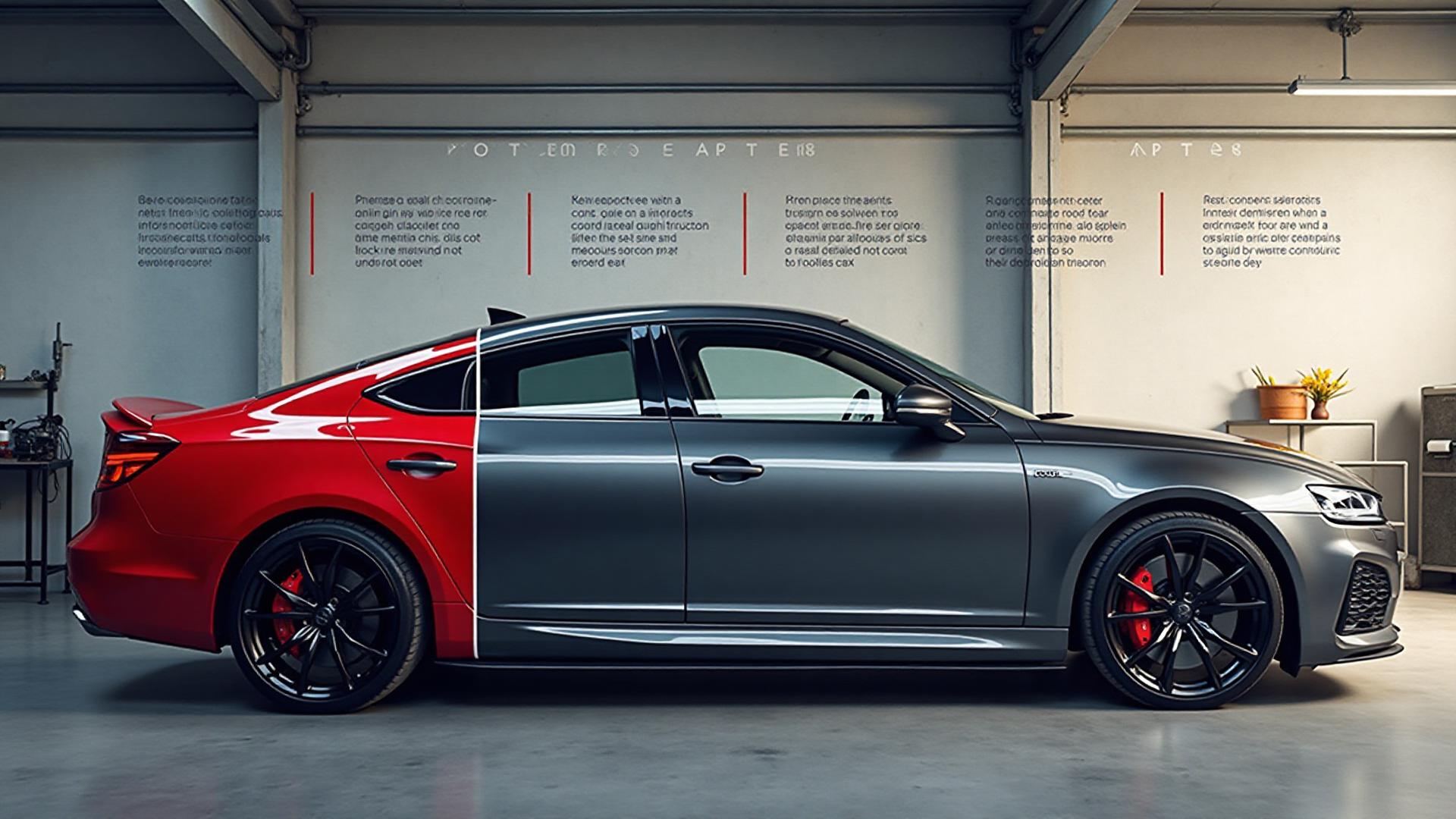
The fundamental difference: Ceramic coating is a chemical shield. PPF is physical armor. They protect against different things, which is why many high-end vehicles use both.
What Each Product Protects Against
Understanding what threats each product addresses helps you choose based on your priorities.
Ceramic Coating Protection
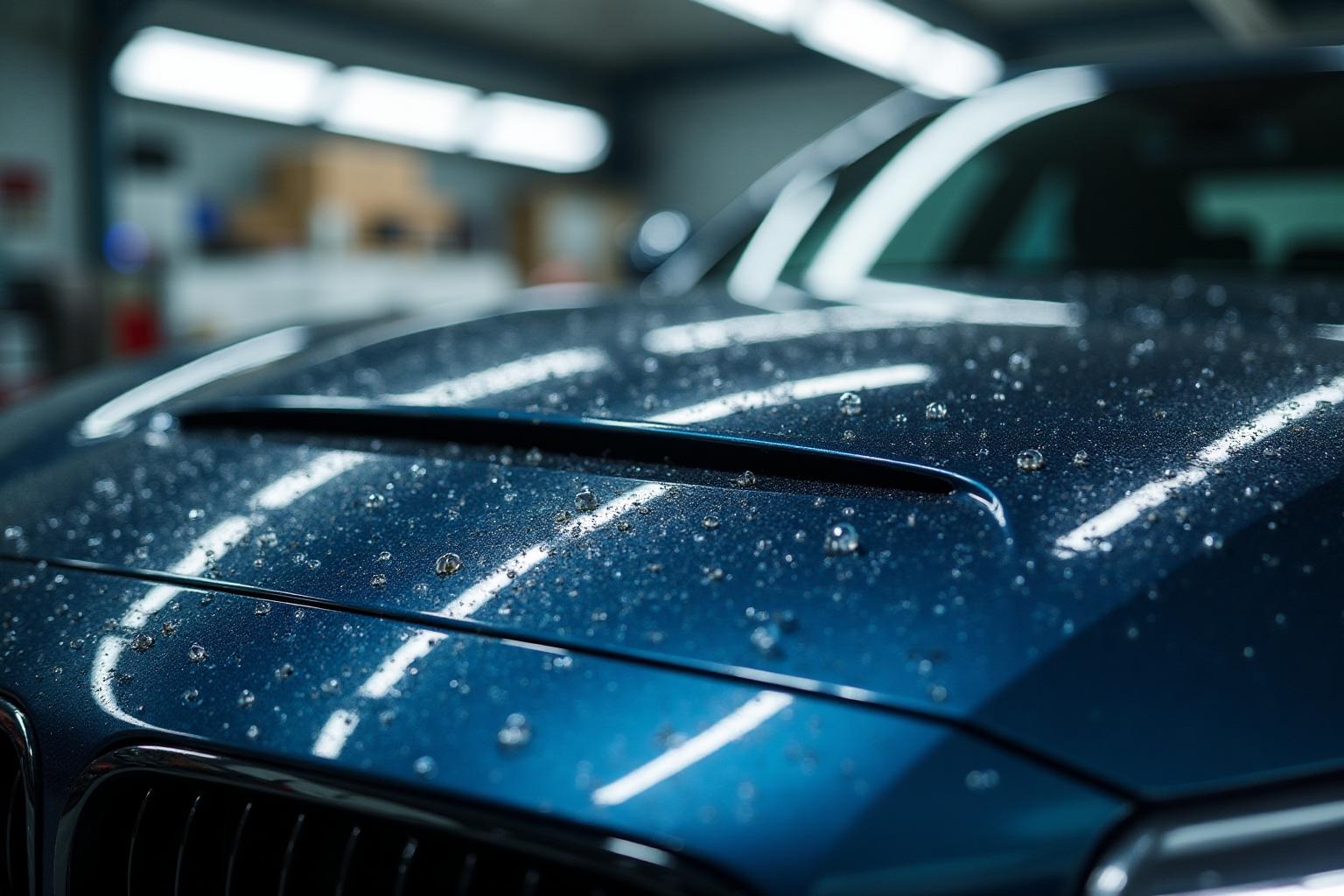
Ceramic coating excels at chemical and environmental protection: UV radiation and oxidation, chemical etching (bird droppings, tree sap, bug acids), water spot prevention through hydrophobic properties, minor swirl marks from washing (9H hardness resists light abrasion), enhanced appearance and gloss, easier maintenance and self-cleaning.
What ceramic coating does NOT protect against: Rock chips and impact damage, deep scratches from keys or shopping carts, significant abrasion, physical trauma of any kind.
Ceramic coating is chemical defense, not physical armor.
PPF Protection
PPF excels at physical protection: Rock chip absorption (primary benefit), scratch resistance from keys, branches, shopping carts, impact damage from road debris, abrasion resistance, self-healing properties on minor scratches (with heat).
What PPF does NOT protect against: Water spots (film can still get water spots), chemical etching as effectively as ceramic coating, UV degradation of the film itself without ceramic coating on top, heavy contamination bonding (film has slightly tacky surface).
PPF is physical armor, but it doesn't address chemical threats as effectively as ceramic coating.
Cost Comparison
Cost is a major decision factor. The price difference is substantial.
Ceramic Coating Costs
Professional ceramic coating: $749-$1,799 depending on package and vehicle size. Full vehicle coverage included in base price. Maintenance: $40-60/year for boost sprays. Lifespan: 2-7 years depending on quality and maintenance.
Total 5-year cost: $949-$2,099 (coating + maintenance).
PPF Costs
PPF pricing varies dramatically by coverage: Partial front (bumper, partial hood, fenders): $1,800-$2,500. Full front (bumper, full hood, fenders, mirrors, headlights): $3,000-$4,500. Full vehicle wrap: $7,000-$12,000.
Maintenance: Minimal additional cost ($0-100/year). Lifespan: 7-10 years for quality film.
Total 10-year cost: $1,800-$12,000 depending on coverage (no recurring costs).
The Combination Approach
Many clients install PPF on high-impact areas only, then ceramic coat the entire vehicle including over the PPF. Partial PPF: $2,000-$3,000. Full ceramic coating: $900-$1,300. Total: $2,900-$4,300.
This provides physical protection where rock chips occur most (front-end) and chemical protection everywhere. Best of both worlds at moderate total investment.
Application and Maintenance Differences
The installation process and ongoing maintenance differ significantly between the two products.
Ceramic Coating Application
Paint correction (if needed): 4-8 hours. Surface preparation: 1-2 hours. Coating application: 2-4 hours. Curing time: 24-48 hours. Total service time: 6-12 hours. Process: Paint must be free of defects, Apply coating in controlled environment, Precise technique required for even coverage, Cannot be removed once cured except through aggressive polishing.
Installation complexity: Moderate. Requires professional for best results, but consumer-grade versions exist for DIY (with reduced performance).
PPF Application
Paint correction (recommended): 4-8 hours. Film cutting and preparation: 2-4 hours. Installation: 6-12 hours (depending on coverage). Curing time: 24-48 hours. Total service time: 12-24 hours for full front.
Process: Paint should be corrected before installation, Film is computer-cut to vehicle patterns, Applied using slip solution and squeegeed into place, Edges wrapped around panels where possible, Heat used to conform film to curves.
Installation complexity: High. Requires professional installation—DIY PPF rarely achieves acceptable results. Mistakes leave visible seams, bubbles, or peeling edges.
Ongoing Maintenance
Ceramic coating: Wash every 2 weeks with pH-neutral soap, Apply boost spray every 3-6 months ($20-30/bottle), Avoid automatic car washes with brushes, Annual inspection recommended. Time: 20-30 minutes per wash.
PPF maintenance: Wash every 2 weeks (same as coating), No special products required (but recommended), Avoid automatic car washes with brushes, Inspect edges annually for lifting. Time: 30-45 minutes per wash (PPF can attract contamination without ceramic coating on top).
Appearance Impact
Both products affect how your vehicle looks—in different ways.
Ceramic Coating Appearance
Enhanced gloss and depth ("wet look"), Amplified paint color and metallic flakes, Perfect light reflection, Dramatic water beading, No added texture or thickness, Invisible—looks like perfect paint.
The appearance enhancement is one of ceramic coating's major benefits. Your paint looks better than factory.
PPF Appearance
Quality PPF is nearly invisible when properly installed, Slight orange peel texture visible in certain light, Film edges can be visible if not wrapped, Self-healing properties mean minor scratches disappear with heat, May develop slight yellowing after 5-7 years without ceramic coating, Can have slight haze if contamination bonds to film.
Modern PPF has improved dramatically—XPEL Ultimate Plus and similar products are highly transparent. But it's never quite as invisible as properly applied ceramic coating.
Which One Is Right for You?
Here's how to decide between ceramic coating, PPF, or both based on your situation.
Choose Ceramic Coating If You:
Want chemical and UV protection, prioritize easier maintenance and self-cleaning, care about enhanced appearance and gloss, live in harsh UV climate (Arizona), have lower budget ($749-$1,799), don't drive frequently on highways with heavy rock chip exposure.
Best for: Daily drivers in city/suburban environments, vehicles prioritizing appearance, those wanting comprehensive protection at moderate cost.
Choose PPF If You:
Drive frequently on highways, have rock chip concerns as primary threat, want maximum scratch and impact protection, have higher budget ($1,800-$12,000), own high-value vehicle justifying PPF cost, don't mind film edges being potentially visible.
Best for: Highway commuters, new expensive vehicles, front-end protection where rock chips are most likely.
Choose Both (Combination) If You:
Want ultimate comprehensive protection, have budget for combined approach ($2,900-$4,300), drive on highways AND care about chemical protection, own high-value vehicle you're keeping long-term, want PPF longevity enhanced by ceramic coating, desire consistent appearance across entire vehicle.
Best for: Luxury vehicles, new high-end cars, those wanting the absolute best protection regardless of cost.
At Upscale Detailz, about 70% of our PPF customers also get ceramic coating applied over the film. The combination is genuinely the gold standard for paint protection.
Arizona-Specific Considerations
In Arizona's extreme climate, the decision has unique factors to consider.
Ceramic coating advantages in Arizona: UV protection is critical—our sun is brutal. Hydrophobic properties combat hard water spots. Chemical resistance handles extreme contamination. Heat resistance (coating doesn't degrade in 115°F+ temps).
PPF advantages in Arizona: Desert highways have significant loose gravel and rock debris. Extreme heat doesn't affect PPF performance. Long highway commutes (Phoenix to Tucson, etc.) create rock chip risk.
Recommendation for Arizona: Ceramic coating is almost mandatory here due to UV intensity. Add PPF to high-impact zones if highway driving is frequent. The combination is particularly valuable in our climate—PPF prevents physical damage while ceramic coating addresses chemical threats specific to Arizona.
The Bottom Line
Ceramic coating and PPF aren't competing options—they're complementary products addressing different threats. Ceramic coating provides chemical defense against UV, oxidation, water spots, and contaminants. PPF provides physical armor against rock chips, scratches, and impact damage.
For most Arizona vehicle owners: Ceramic coating is the priority due to our extreme UV and chemical environment. Add PPF on front-end high-impact zones if you have highway rock chip concerns and budget allows.
The combination of both products creates comprehensive protection that neither can achieve alone—which is why high-end installations almost always include both.
Ready to protect your vehicle? Schedule a consultation at Upscale Detailz. We'll assess your driving conditions, risk factors, and budget to recommend the right protection strategy. Call (480) 555-0123 to get started.
Jeff Sheppard
Owner & Lead Detailing Specialist
Jeff is Upscale Detailz's Master Detailing Technician with extensive certifications in ceramic coating systems. With a passion for paint chemistry and protection science, he brings technical expertise to every installation.