How Long Does Ceramic Coating Need to Cure?
Ceramic coating requires proper curing before water exposure. Rush the process and you risk permanently damaging the coating. Here's the complete curing timeline and what you can and can't do during each phase.
Curing Timeline
Ceramic coating needs 24-48 hours to cure properly. Touch it, wash it, or expose it to water too early and you risk ruining the entire application. After 6+ years applying coatings in Scottsdale, I've seen what happens when cure time is ignored. This is one of the most common mistakes. Learn about the complete process timeline.
What Happens During Curing
Curing is the chemical process where the ceramic coating bonds to your vehicle's clear coat. The coating goes from liquid to solid, forming molecular bonds with the paint surface. This process requires specific conditions and time to complete properly.
During curing, the solvents in the coating evaporate, the silica particles crosslink and harden, chemical bonds form with the clear coat, and the hydrophobic properties develop. Interrupting this process compromises the coating's performance and durability.
Minimum Cure Time
For most professional ceramic coatings (System X, Gtechniq, etc.), the minimum cure time is 24 hours. This is the absolute minimum before any water exposure. During this period, the vehicle must remain completely dry and untouched.
Some premium coatings require 48-72 hours for full cure, especially in cooler or humid conditions. Always follow your installer's specific guidance—they know which product was used and the environmental conditions at application.
Environmental Factors
Temperature and humidity significantly affect cure time. Ideal curing conditions are 60-80°F temperature and 40-60% humidity. In Arizona's hot, dry climate, coatings may cure faster, but rushing the process is still dangerous.
Cold temperatures (below 50°F) slow curing significantly, high humidity (above 70%) extends cure time, and extreme heat (above 90°F) can cause premature curing issues. Professional installers control these variables in climate-controlled facilities.
The 24-Hour Rule
During the first 24 hours, avoid all water contact including rain, dew, washing, or sprinklers. Do not touch the coating—oils from skin can create defects. Keep the vehicle in a covered, dry space and avoid driving if possible (road spray and moisture can affect curing).
At Upscale Detailz, we keep vehicles in our climate-controlled facility for the full 24-hour minimum cure period. Clients pick up their vehicles only after this critical window has passed. This controlled environment ensures optimal curing conditions.
Days 2-7: Continued Curing
After 24-48 hours, the coating is safe from water damage, but it continues hardening for the next 5-7 days. During this period, you can drive the vehicle normally and rinse with water if needed, but avoid washing with soap and chemicals, no automatic car washes, and no waxes or sealants.
The coating is functional but not fully hardened. Aggressive chemicals or mechanical action could still damage it. Patience during this week pays dividends in long-term performance.
Full Cure: 7-14 Days
Most professional ceramic coatings reach full cure at 7-14 days. At this point, the coating has achieved maximum hardness, complete hydrophobic properties, full chemical resistance, and optimal durability. Now you can wash normally with pH-neutral products and perform all regular maintenance.
After full cure, the coating is fully bonded and won't be affected by normal use. This is when you'll see peak water beading and easiest cleaning performance. Learn proper washing techniques.
What Happens If You Rush It
Exposing ceramic coating to water too early causes water spotting that etches into the uncured coating, uneven curing creating high spots and defects, bonding failure leading to premature coating failure, and reduced hydrophobic performance. The coating may appear fine initially but will fail prematurely.
I've corrected dozens of DIY ceramic coating failures where owners didn't wait for proper cure time. The coating looked good for a month, then started failing. We had to remove the failed coating and start over—costing more than professional application would have initially.
Climate Considerations in Arizona
Arizona's climate affects curing in unique ways. Our low humidity actually helps—coatings cure reliably without moisture interference. However, summer heat requires extra attention: garage parking is essential (coating in direct sun can get too hot), and evening application timing helps avoid peak heat.
Winter in Arizona is actually ideal for ceramic coating application—moderate temperatures and low humidity create perfect curing conditions. This is when we see our most flawless applications.
Professional vs DIY Cure Management
Professional installers control cure environment with climate-controlled facilities, proper timing (applying at optimal temperatures), humidity control, and 24+ hour secure storage. You pick up your vehicle after the critical cure window.
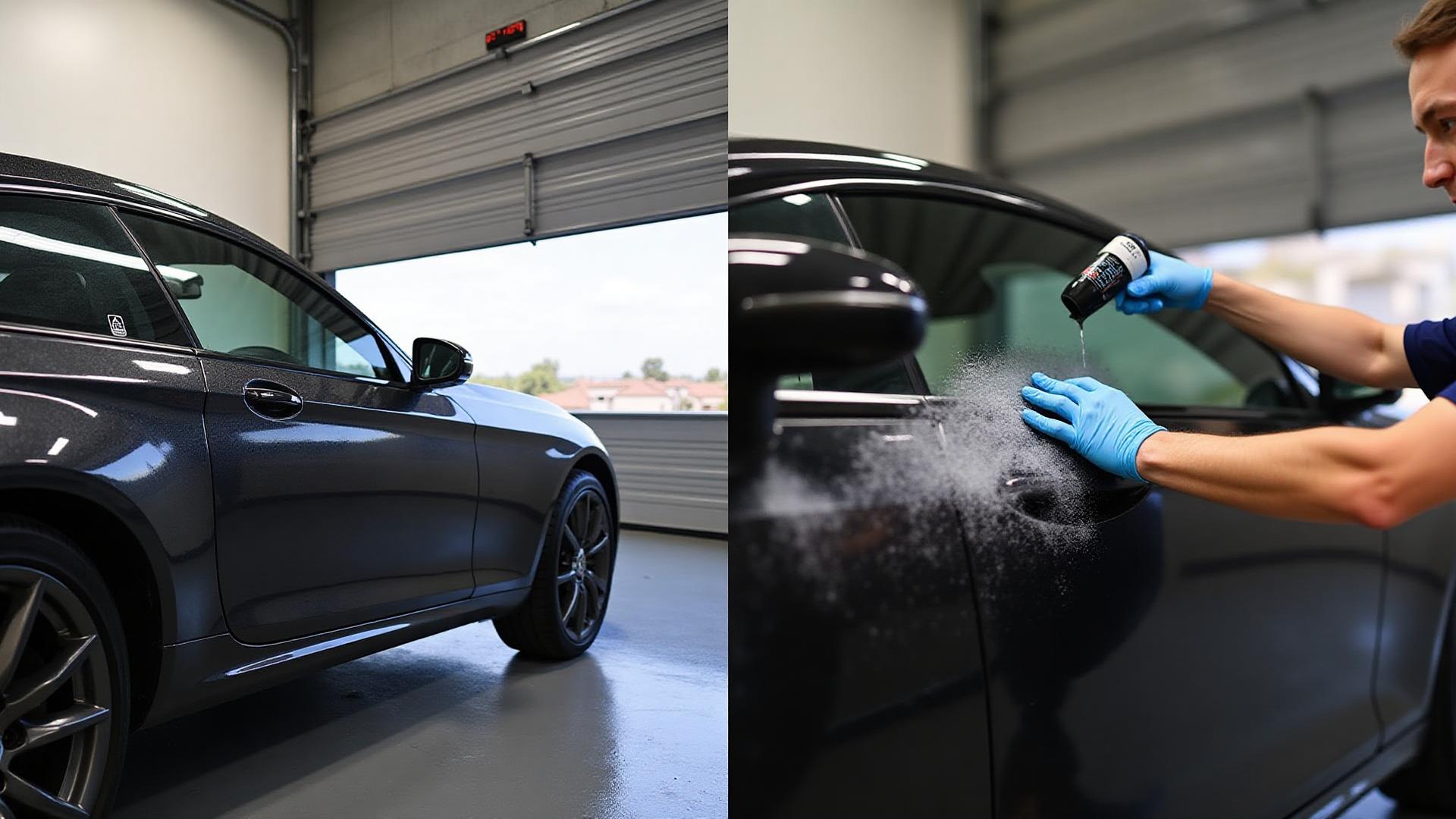
DIY application requires you to guarantee dry, covered storage for 24-48 hours, monitor weather carefully (unexpected rain ruins coating), maintain optimal temperature (garage may not be climate-controlled), and resist the temptation to test the coating early. Most DIY failures happen during curing.
Signs of Proper Curing
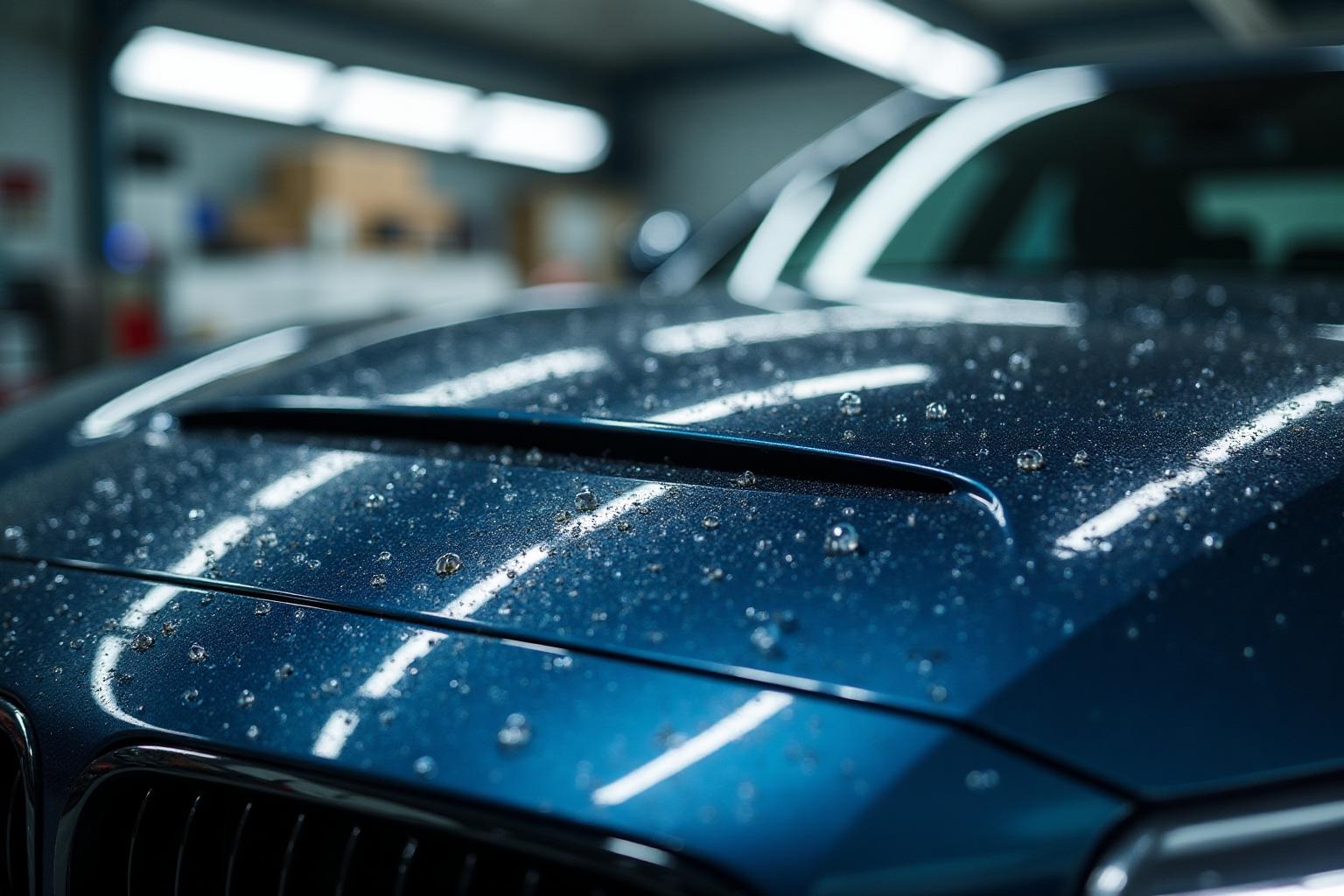
A properly cured ceramic coating shows uniform water beading across entire surface, glass-like finish with no haziness or high spots, smooth feel (not tacky or rough), and reflections are clear and undistorted. If you see uneven beading, hazy areas, rough texture, or water sheeting in some areas but not others, the coating may not have cured properly.
Contact your installer immediately if you notice these issues within the first few weeks. Proper professional installers will warranty their work and fix curing issues.
Warranty Implications
Most ceramic coating warranties explicitly require proper cure time. If you expose the coating to water or chemicals during the cure window, you void the warranty. This is why professional installers are so strict about pickup timing.
At Upscale Detailz, our warranty includes proper curing management. We control the vehicle environment during curing, provide specific care instructions for the first two weeks, and follow up to ensure coating is performing correctly. Our professional application guarantees optimal results.
Post-Cure Care
Once fully cured, maintain your ceramic coating by washing every 2-3 weeks with pH-neutral products, avoiding automatic car washes (always), using microfiber towels only (never brushes or abrasives), and getting annual inspections to catch any issues early.
Proper post-cure maintenance extends coating life from 5 years to 7-9 years. The cure process is just the beginning—ongoing care determines long-term performance. Check our complete maintenance guide.
Jeff Sheppard
Owner & Lead Detailing Specialist
Jeff is Upscale Detailz's Master Detailing Technician with extensive certifications in ceramic coating systems.