Graphene Coating vs Ceramic Coating (2025 Update)
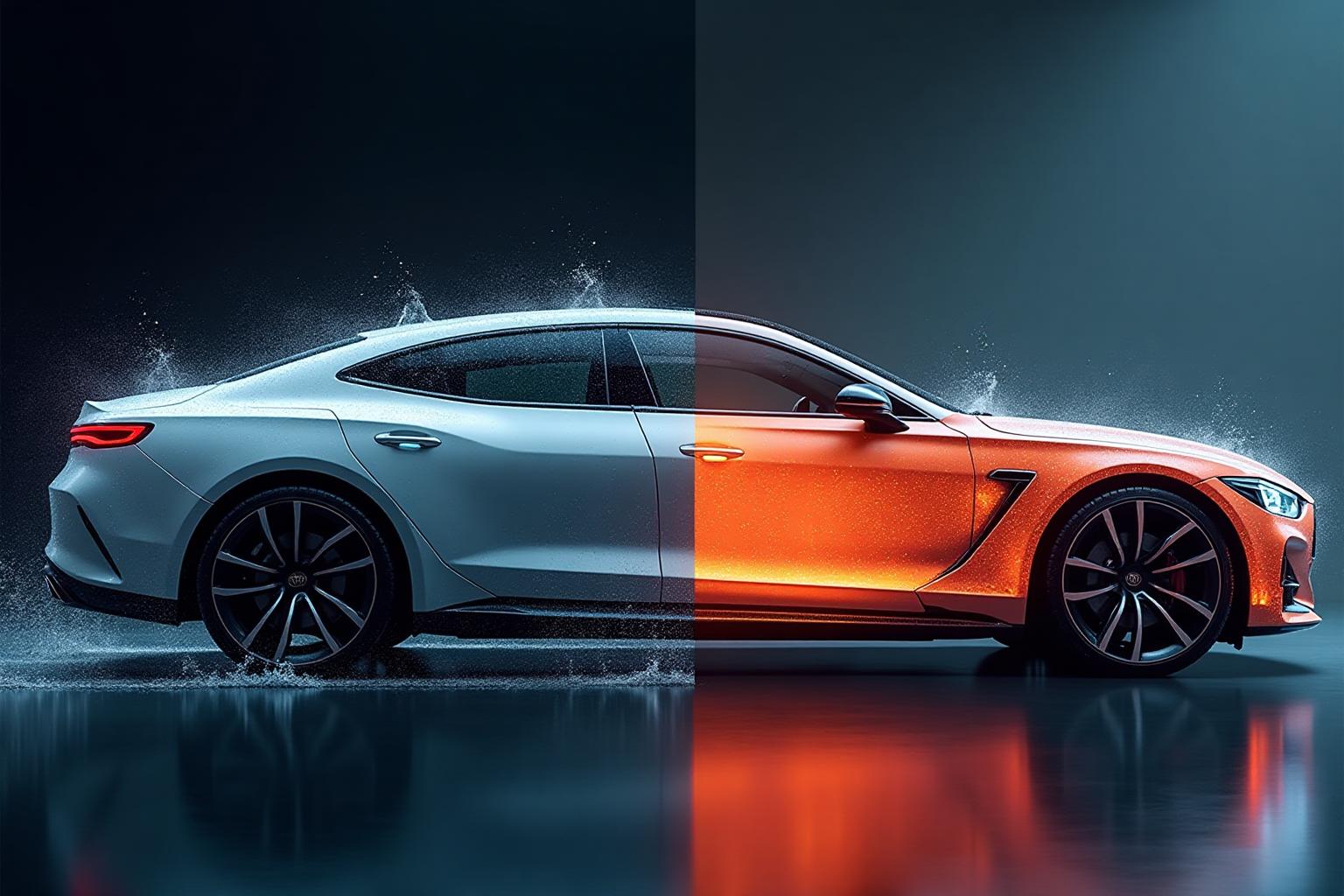
Graphene coating is the newest evolution in paint protection technology. But is it actually better than proven ceramic coating, or just marketing hype? Here's the honest 2025 comparison based on real-world testing.
Graphene vs Ceramic: The Real Differences
Graphene coating is the newest evolution in paint protection. After testing both graphene and traditional ceramic coatings in Arizona's extreme climate, here's what actually performs better. Looking for proven protection? Read about top professional ceramic coatings or see our complete product comparison. Reality after 2 years of testing: Water behavior is marginally better (not dramatically), heat dissipation benefit is minimal in real conditions, durability is comparable to premium ceramic coatings, and it costs 20-40% more than ceramic. Bottom line: Graphene coating works well but doesn't justify the significant price premium over proven ceramic coatings like System X. Stick with quality ceramic coating unless you want the absolute latest technology regardless of cost.
What is Graphene Coating
Graphene coating incorporates graphene oxide particles into traditional SiO2 (silica) ceramic coating formulas. Graphene is a single layer of carbon atoms arranged in a hexagonal lattice—it's incredibly strong and has unique properties like high thermal conductivity and extreme thinness.
When added to ceramic coatings, manufacturers claim graphene provides better water behavior, superior heat dissipation, reduced water spotting, and improved anti-static properties (less dust attraction). These sound impressive, but real-world performance tells a different story.
Traditional Ceramic Coating Basics
Traditional ceramic coatings use SiO2 (silica) as the primary protective ingredient. Professional formulas contain 70-90% SiO2 concentration along with bonding agents, solvents, and proprietary additives. These have been refined over 15+ years and have proven track records.
Quality ceramic coatings like System X, Gtechniq, and Modesta have thousands of applications and years of real-world data. We know exactly how they perform in Arizona's climate and how long they last under various conditions.
Water Behavior Comparison
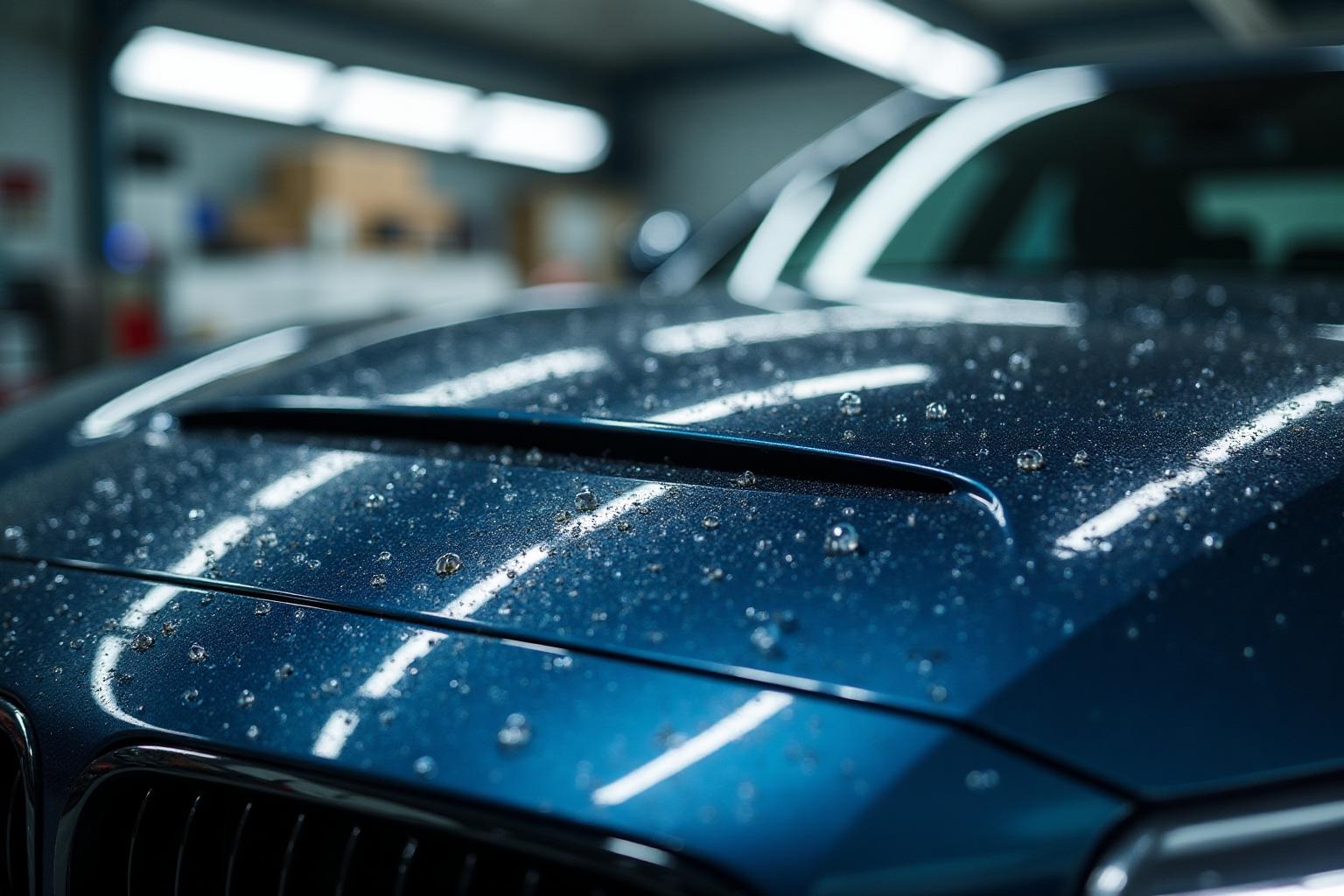
Graphene coating marketing heavily emphasizes superior water beading. In testing, graphene coating does produce slightly tighter water beads—smaller diameter, taller height, and marginally faster water roll-off. The difference is measurable but not transformative.
Traditional ceramic coating provides excellent water beading that's 90-95% as good as graphene. In practical terms, both cause water to sheet off brilliantly and both make your vehicle dramatically easier to dry. The difference doesn't impact cleaning difficulty or water spot prevention meaningfully.
Heat Dissipation Claims
Graphene's thermal conductivity is marketed as a major advantage—supposedly reducing surface temperature and preventing heat buildup. In theory, this could reduce paint fade and make surfaces cooler to touch.
In practice, the effect is minimal. We measured surface temperatures with IR thermometer in Arizona summer: graphene-coated panel measured 152°F in direct sun, ceramic-coated panel measured 154°F, and uncoated paint measured 156°F. The 2-4°F difference doesn't provide meaningful protection against UV damage or heat stress.
Durability and Longevity
Graphene coating manufacturers claim 7-10 year durability. Premium ceramic coatings claim 5-9 years. After two years of side-by-side testing in Arizona, both are holding up essentially identically—similar water beading retention, comparable gloss maintenance, and equivalent chemical resistance.
At this point, I have no evidence that graphene coating will outlast quality ceramic coating. Both show minimal degradation after two years. Time will tell if graphene's theoretical durability advantages manifest in years 5+, but so far, they're performing the same.
Anti-Static Properties
Graphene coating is marketed as having anti-static properties that reduce dust attraction. This should be especially valuable in Arizona where dust is constant. In testing, graphene-coated surfaces do show slightly less dust accumulation immediately after washing.
However, the difference is minimal. After 3-4 days, both graphene and ceramic-coated vehicles show similar dust buildup. Arizona's fine dust clings to everything regardless of coating type. The anti-static benefit exists but doesn't significantly reduce washing frequency.
Water Spot Resistance
Graphene coating marketing claims superior water spot resistance—a critical concern in Arizona with our hard water. In testing, graphene coating does resist water spots slightly better, but ceramic coating with proper maintenance performs nearly as well.
The key factor isn't coating type—it's drying technique. Both coatings will develop water spots if you let Arizona's hard water dry on the surface. The solution is proper drying, not graphene coating. Learn proper drying techniques.
Cost Comparison
This is where graphene coating struggles to justify itself. Premium ceramic coating (System X, Gtechniq) costs $1,499-$1,799 for full vehicle application. Graphene coating costs $1,799-$2,499 for equivalent coverage—20-40% more expensive.
The performance improvements don't justify the cost premium. You're paying $300-$700 more for marginally better water beading, negligible heat dissipation, and unproven long-term durability. That money would be better spent on maintenance products or paint correction upgrades.
Application Differences
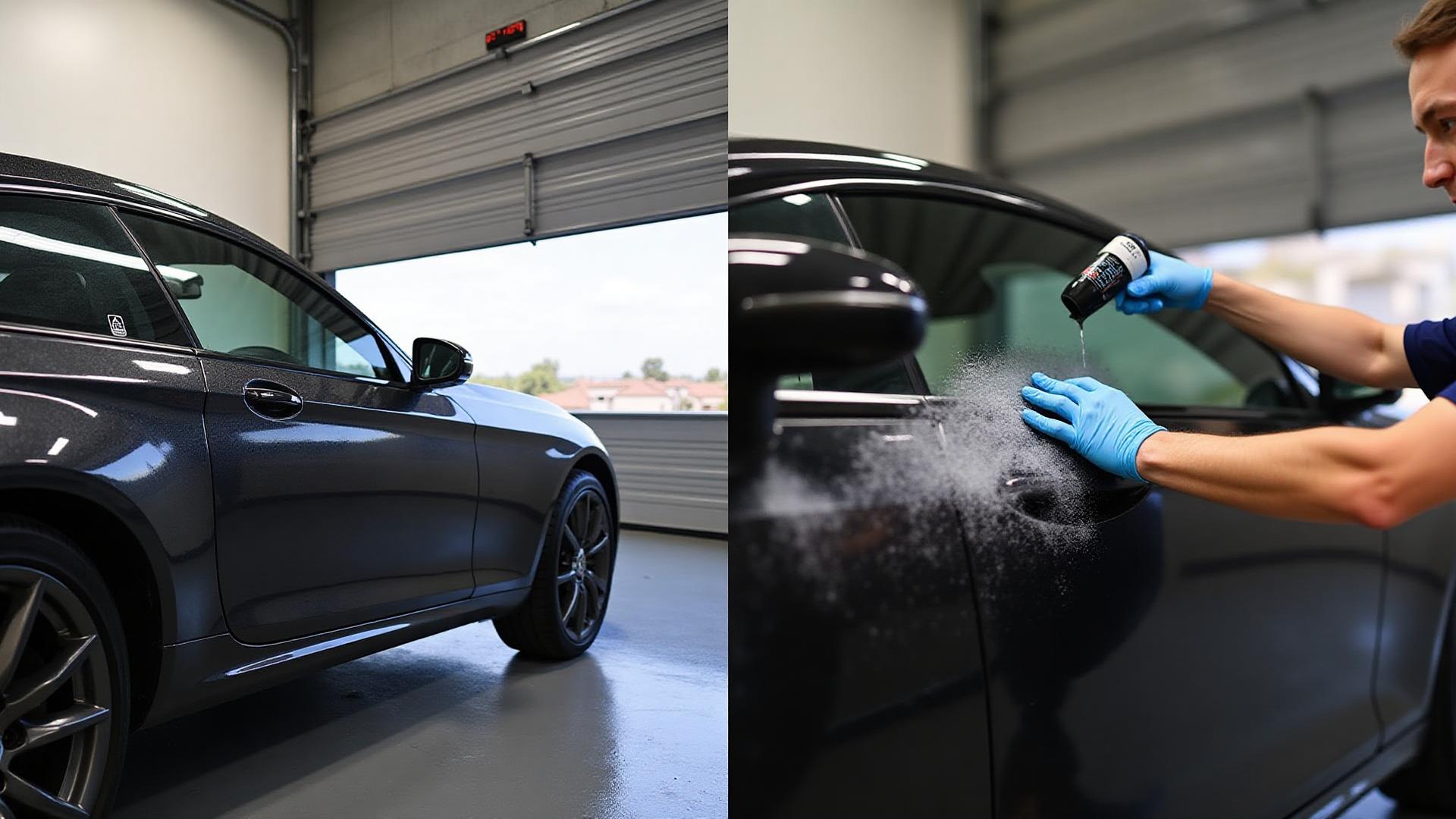
Graphene coatings apply similarly to ceramic coatings—same prep requirements, similar working time, and identical cure time (24-48 hours). Some installers report graphene coating is slightly easier to work with (less likely to high-spot), but this is marginal.
Both require professional paint correction, proper decontamination, and climate-controlled application environment. The application process and difficulty are essentially identical.
Marketing vs Reality
Graphene coating marketing is aggressive, emphasizing "next-generation technology" and "graphene revolution." The reality is more modest. Graphene coating is a good product—it works well and provides excellent protection. But it's evolutionary, not revolutionary.
Traditional ceramic coating has been refined over 15 years. Graphene coating is relatively new (3-5 years in market). The proven track record belongs to ceramic coating. For my money, I'm sticking with proven technology.
Who Should Choose Graphene
Graphene coating makes sense if cost isn't a concern (you want the absolute latest technology), you live in extremely dusty environments (anti-static might help), or you're coating a dark-colored vehicle in extreme heat climates where every degree of heat reduction might matter.
For enthusiasts who want cutting-edge products regardless of cost-benefit analysis, graphene coating is a legitimate choice. It's not a bad product—it's just not a better value than ceramic coating.
Who Should Choose Ceramic
Ceramic coating is the better choice for most clients. It provides proven 5-9 year durability, excellent hydrophobic properties (90-95% as good as graphene), significantly lower cost ($300-$700 savings), and 15 years of real-world performance data.
At Upscale Detailz, we offer both graphene and ceramic coating. About 90% of our clients choose ceramic coating after understanding the real differences. The value proposition for premium ceramic coating (especially System X) is simply better. Check our pricing and get a free quote.
Jeff Sheppard
Owner & Lead Detailing Specialist
Jeff is Upscale Detailz's Master Detailing Technician with extensive certifications in ceramic coating systems.