Why Paint Correction Before Ceramic Coating Matters
Paint correction before ceramic coating isn't optional—it's essential. Ceramic coating locks in whatever condition your paint is in. Here's why proper correction is the foundation of every successful ceramic coating installation.
Why Paint Correction Is Essential
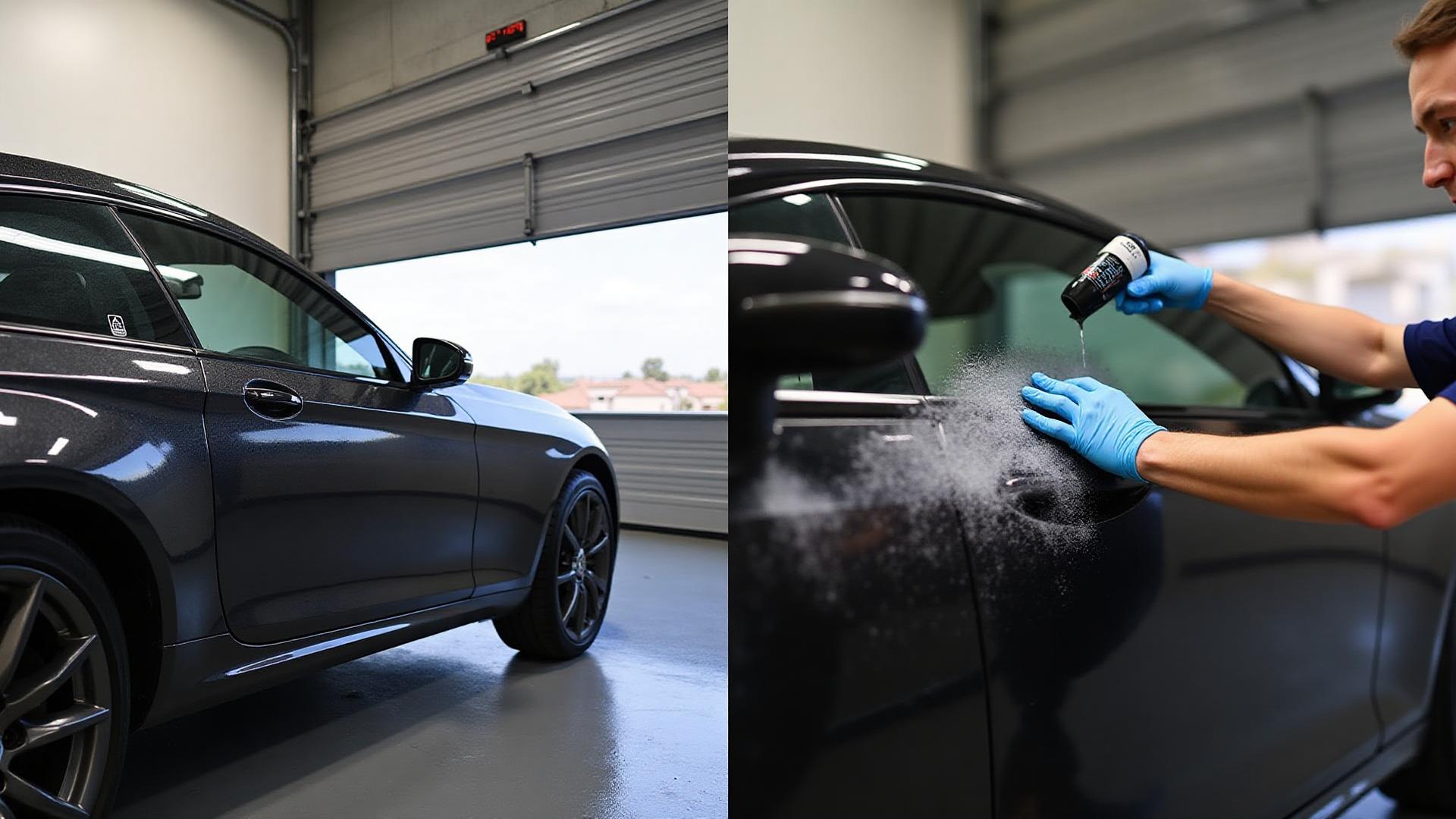
Paint correction before ceramic coating isn't optional—it's essential. After 6+ years applying ceramic coatings in Scottsdale, I can tell you: ceramic coating over uncorrected paint is like clear-coating over rust. You're preserving imperfections forever. Learn why shops that skip this step are cutting corners in our red flags guide. See the difference professional paint correction makes before ceramic coating.
This is why paint correction before ceramic coating isn't optional—it's the foundation of every successful installation. Skip it, and you'll spend years looking at defects that could have been fixed. Invest in proper correction, and your vehicle will look flawless for the coating's entire lifespan.
Let me explain exactly why correction matters and what happens when you skip it.
What Ceramic Coating Actually Does to Your Paint
Understanding how ceramic coating works explains why correction is mandatory. Ceramic coating creates a semi-permanent chemical bond with your clear coat at the molecular level. It doesn't sit on top like wax—it becomes part of your paint's protective system.
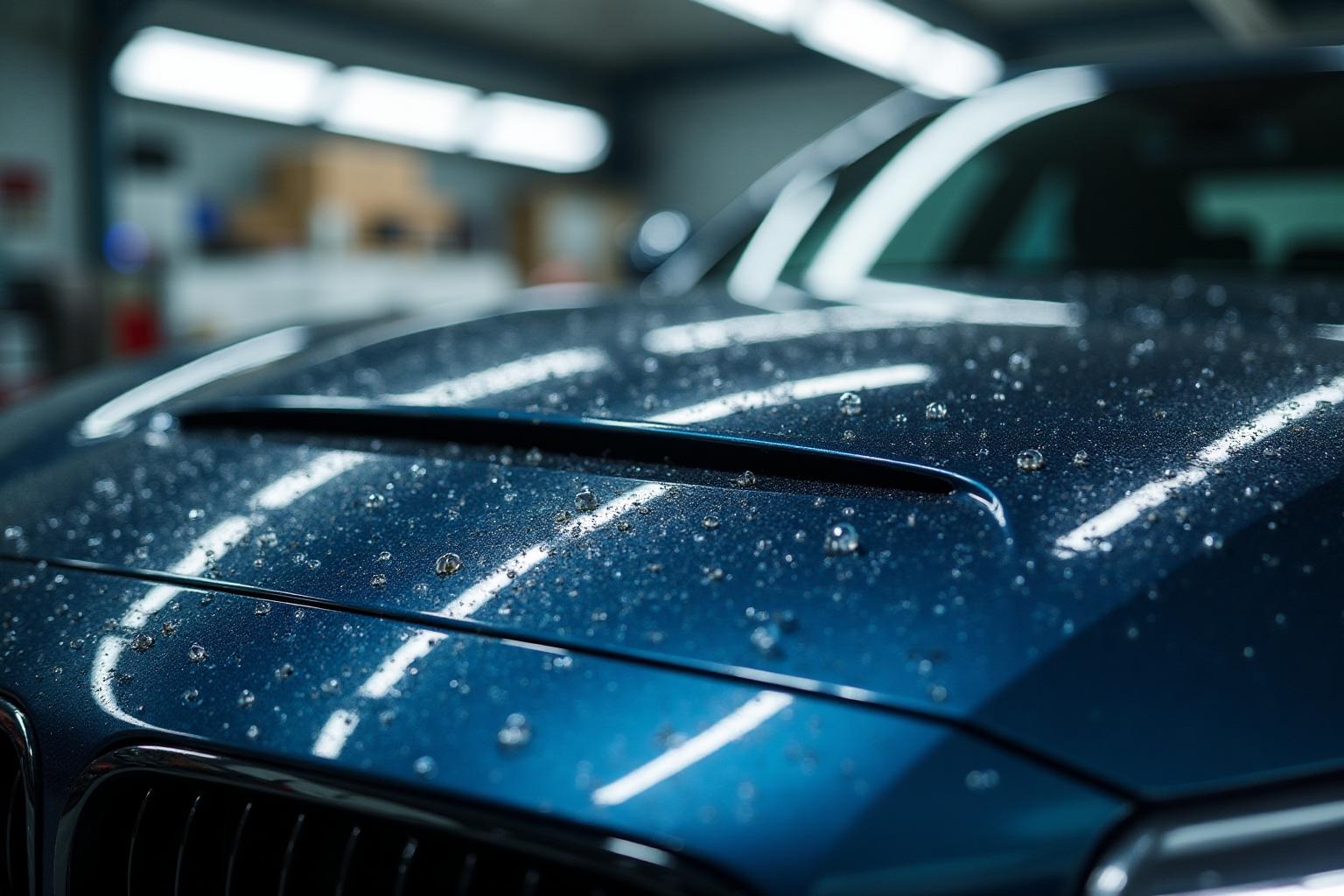
This bonding process: Fills microscopic imperfections in the clear coat surface, creates an ultra-smooth, glass-like finish that amplifies light reflection, locks in the surface condition—for better or worse.
Think of ceramic coating like sealing wood. If you seal scratched, damaged wood, those scratches are now permanent under the sealant. Same principle applies to paint. Coating magnifies whatever condition exists—perfect paint looks incredible, damaged paint looks worse.
Common Paint Defects That Must Be Corrected
Most vehicles—even relatively new ones—have paint defects that need addressing before coating.
Swirl Marks
Swirl marks are fine circular scratches caused by improper washing, automated car washes, or poor drying techniques. They're visible in direct sunlight as spiderweb patterns, especially on dark colors.
Ceramic coating over swirls: The coating fills the scratches slightly, actually making them more visible by creating perfect reflection everywhere except where the swirls are. Dark vehicles with coated swirls look worse than uncoated swirls in many lighting conditions.
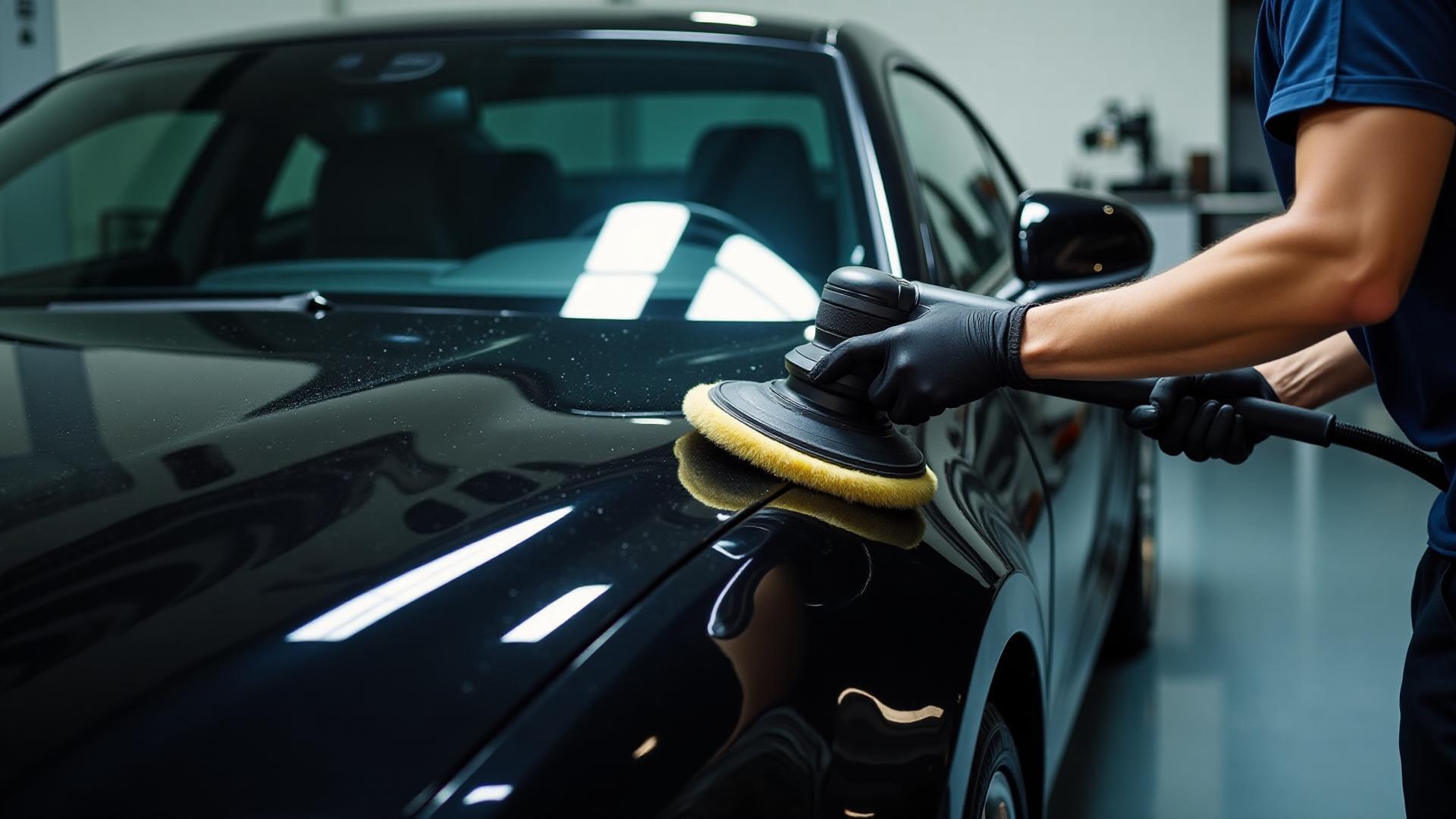
Swirl removal requires machine polishing with appropriate compounds and pads—something that must happen before coating application.
Scratches
Deeper scratches from keys, shopping carts, branches, or impacts penetrate into the clear coat—sometimes reaching base coat or primer. These are permanent under ceramic coating.
Paint correction can remove light to moderate scratches that haven't penetrated too deep. Heavy scratches may require spot repair or repainting before coating. Either way, ceramic coating will not fix or hide them.
Oxidation
Oxidation is UV damage that breaks down clear coat, creating a chalky, faded appearance. Common on Arizona vehicles due to intense sun exposure. Shows as loss of gloss, faded color, and chalky residue.
Ceramic coating cannot reverse oxidation. The damaged clear coat must be removed through aggressive machine polishing to reach fresh, undamaged layers. This restores color depth and clarity before coating locks in the corrected condition.
Water Spots and Etching
Arizona's hard water creates mineral deposits that etch into clear coat if not removed promptly. These appear as white spots or rings that won't wash away. Severe etching creates permanent divots in the clear coat.
Light water spots can be removed through polishing. Severe etching may be permanent even with correction—but proper polishing minimizes visibility. Coating over water spots makes them permanent and more visible.
Contamination
Bonded contaminants—tar, tree sap, rail dust, industrial fallout—embed into paint and won't wash away. They create rough texture and visible spots.
Decontamination through clay barring removes these before coating. This isn't paint correction per se, but it's mandatory prep. Coating over contamination locks it in permanently.
The Paint Correction Process
Professional paint correction is a multi-stage process tailored to your vehicle's specific condition.
Stage 1: Assessment
We inspect every panel under high-intensity lighting to identify all defects. Paint thickness is measured to ensure enough clear coat remains for safe correction. Assessment determines whether light, moderate, or heavy correction is needed.
Stage 2: Decontamination
Thorough wash removes loose dirt. Iron remover eliminates metal particles. Clay bar treatment removes bonded contaminants. Paint must be completely clean before polishing begins.
Stage 3: Polishing
Light correction (1-step): Single polish removes 60-70% of defects. Time: 4-6 hours. Cost: $400-600.
Moderate correction (2-step): Compound removes deeper defects, polish refines to perfect finish. Removes 80-90% of defects. Time: 6-10 hours. Cost: $800-$1,200.
Heavy correction (3+ step): Multiple compounds for severe damage, progressive polishing to perfection. Removes 90-95%+ of defects. Time: 12-20 hours. Cost: $1,500-$2,500.
Each stage uses progressively finer compounds and pads to remove defects while maintaining paint thickness and clarity.
Stage 4: Final Preparation
Panel wipe removes all polishing oils. Surface inspection confirms perfect condition. Paint is now ready for ceramic coating application.
This final prep is critical—any remaining oils or residue prevents proper coating bonding.
Cost Analysis: Correction Now vs Later
Some people consider skipping correction to save money. This is backwards thinking—you'll pay more in the long run.
Scenario 1: Proper Correction Before Coating
Paint correction: $600-$1,200 (depending on condition). Ceramic coating: $899-$1,299. Total: $1,499-$2,499.
Result: Flawless paint locked in for 5-7 years. Maximum coating lifespan and warranty. Pride in your vehicle's appearance. Easy resale with pristine condition.
Scenario 2: Skip Correction, Coating Only
Ceramic coating: $899-$1,299. Total: $899-$1,299.
Result: Defects locked in permanently. Reduced coating warranty or none at all. Regret every time you see swirls and scratches. Must remove coating ($600-$1,000), correct paint ($600-$1,200), reapply coating ($899-$1,299) if you want it fixed. Total eventual cost: $2,099-$3,499 plus years of disappointment.
Skipping correction doesn't save money—it costs more and delivers inferior results.
When Minimal Correction Is Acceptable
New vehicles (under 500 miles): Factory paint may need only light prep, not full correction. Cost savings: $300-500.
Perfectly maintained vehicles: If paint is genuinely perfect through meticulous care, full correction may not be needed. Rare but possible.
Budget constraints with realistic expectations: If you can't afford correction now, understand you're coating over defects. Plan to remove coating and correct paint later. Not ideal, but an informed choice.
Even in these cases, basic decontamination and light prep are mandatory—no exceptions.
The Arizona Factor
Arizona's climate makes paint correction especially important before ceramic coating. Intense UV causes oxidation faster than other climates. Hard water creates etching that requires correction. Extreme temps accelerate paint degradation. Desert dust creates swirls from washing.
Even relatively new Arizona vehicles (1-2 years old) typically need moderate correction before coating. The environment is simply too harsh for paint to remain perfect without damage.
What Proper Correction Achieves
Professional paint correction before ceramic coating delivers: Mirror-like clarity and reflection, True color depth and vibrancy, Elimination of swirls and scratches, Removal of water spots and etching, Perfect surface for coating bonding, Maximum coating lifespan and warranty.
The difference between corrected and uncorrected paint under ceramic coating is night and day. Proper correction is the foundation that makes ceramic coating worth the investment.
The Bottom Line
Paint correction before ceramic coating isn't optional if you want proper results. Ceramic coating locks in whatever condition exists—make sure that condition is perfect. Skipping correction saves money short-term but costs more long-term through reduced coating value and eventual re-work.
At Upscale Detailz, we never coat over defects. We assess every vehicle honestly and recommend the appropriate level of correction. Sometimes that's light prep, sometimes it's heavy correction—but we always ensure your paint is perfect before coating.
Ready to get ceramic coating done right? Schedule a consultation where we'll inspect your paint, recommend appropriate correction level, and provide transparent pricing. Call (480) 555-0123 to protect your vehicle properly from the start.
Jeff Sheppard
Owner & Lead Detailing Specialist
Jeff is Upscale Detailz's Master Detailing Technician with extensive certifications in ceramic coating systems. With a passion for paint chemistry and protection science, he brings technical expertise to every installation.