Ceramic Coating Pros and Cons
Considering ceramic coating for your vehicle? Get the unfiltered truth about both the impressive benefits and real limitations of ceramic coating. No marketing hype—just honest analysis to help you decide if it's right for your vehicle.
The Ceramic Coating Reality Check
Ceramic coating has real benefits and real limitations. After 6+ years applying coatings in Arizona, I've seen what works and what doesn't. This honest breakdown covers the genuine pros and cons—no marketing hype. Read about common myths debunked and learn if it's worth the investment for your situation.
After installing ceramic coatings on thousands of vehicles over 15 years, I've seen both the impressive results and the disappointed customers who had unrealistic expectations. This guide gives you the complete truth—the good, the bad, and the limitations you need to understand before investing.
Let's start with what ceramic coating actually does, then cover both the pros and cons honestly.
The Pros: What Ceramic Coating Does Well
These are the legitimate, proven benefits of professional ceramic coating that justify the investment for most vehicle owners.
Pro 1: Outstanding UV and Oxidation Protection
This is ceramic coating's strongest benefit, especially in Arizona. The UV inhibitors in quality coatings like System X genuinely protect your clear coat from photo-degradation. Coated vehicles maintain their color and gloss for years while uncoated paint fades and oxidizes.
I've compared 5-year-old vehicles side-by-side—one coated, one not. The difference in paint clarity and color depth is dramatic. The coating actually works for UV protection. This alone often justifies the cost in harsh climates.
Pro 2: Genuine Hydrophobic Properties
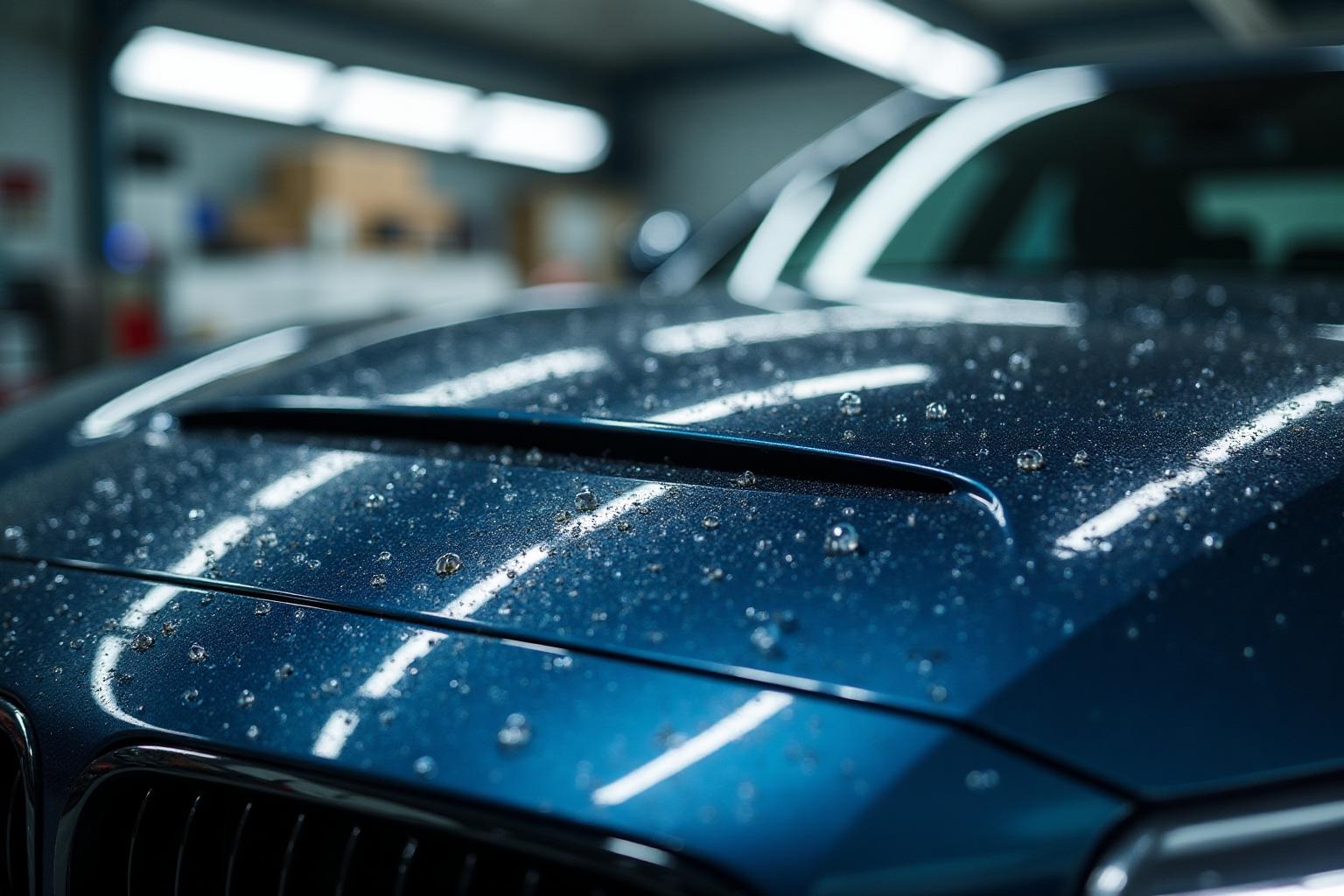
The water-beading effect is real and functional, not just cosmetic. With contact angles exceeding 110 degrees, water sheets off aggressively, taking contaminants with it. This self-cleaning effect genuinely reduces how often you need to wash.
In Arizona's monsoon season, the hydrophobic properties prevent water spot etching—a huge benefit with our hard water. Water doesn't sit and evaporate; it rolls off before minerals can deposit and etch the clear coat.
Pro 3: Easier Maintenance (This Is Real)
This benefit is not exaggerated. Washing a ceramic-coated vehicle takes literally half the time of washing uncoated paint. Contaminants don't bond to the surface, so gentle rinsing removes what would require scrubbing on bare paint.
Bug splatter, tar, tree sap—these normally stubborn contaminants wipe away easily. Over years of ownership, you save hundreds of hours in maintenance time. This is one of the most noticeable real-world benefits.
Pro 4: Enhanced Appearance
The improved gloss and depth are genuine. Ceramic coating fills microscopic surface imperfections, creating perfect light reflection. Your paint looks richer, deeper, with that "wet look" everyone notices.
This isn't a trick or illusion—it's actual improvement in surface properties that enhances how light reflects off your paint. Dark colors especially benefit dramatically.
Pro 5: Chemical Resistance That Actually Works
Ceramic coating genuinely resists chemical etching from bird droppings, tree sap, bug acids, and other environmental contaminants. These substances sit on top of the coating rather than immediately etching into clear coat.
You have more time to safely remove contaminants without damage. The coating acts as a sacrificial barrier, protecting your actual clear coat from chemical attack.
Pro 6: Long-Term Cost Effectiveness
Professional ceramic coating genuinely lasts 2-7 years, not 2-3 months like wax. Over 5 years, the total cost is comparable to repeated waxing—but with dramatically better protection throughout.
When you factor in resale value benefits ($2,000-$3,000 premium for vehicles with documented ceramic coating), the coating often pays for itself.
The Cons: Real Limitations You Need to Know
Now for the honest limitations that ceramic coating marketing often glosses over. These are real drawbacks you should understand before deciding.
Con 1: Not Scratch-Proof (Despite What Marketing Claims)
Let me be blunt: ceramic coating will not prevent key scratches, shopping cart dings, or any significant impact damage. The 9H hardness rating is misleading—it's measured on the pencil hardness scale, not Mohs hardness.
Yes, coating reduces fine swirl marks from washing. Yes, it provides better scratch resistance than bare clear coat. But it's not armor. A ceramic-coated vehicle will still get scratched if you drag keys across it or hit it with a shopping cart.
This is the most common source of disappointment—customers expecting scratch-proof paint and discovering that's not reality.
Con 2: High Upfront Cost
Professional ceramic coating costs $749-$1,799 upfront. That's a significant investment compared to $50-150 for waxing. While the long-term economics favor coating, that initial cost is a barrier for many vehicle owners.
If you're only keeping your vehicle 1-2 years, the upfront cost may not be justified. The benefits need time to provide value.
Con 3: Requires Professional Installation
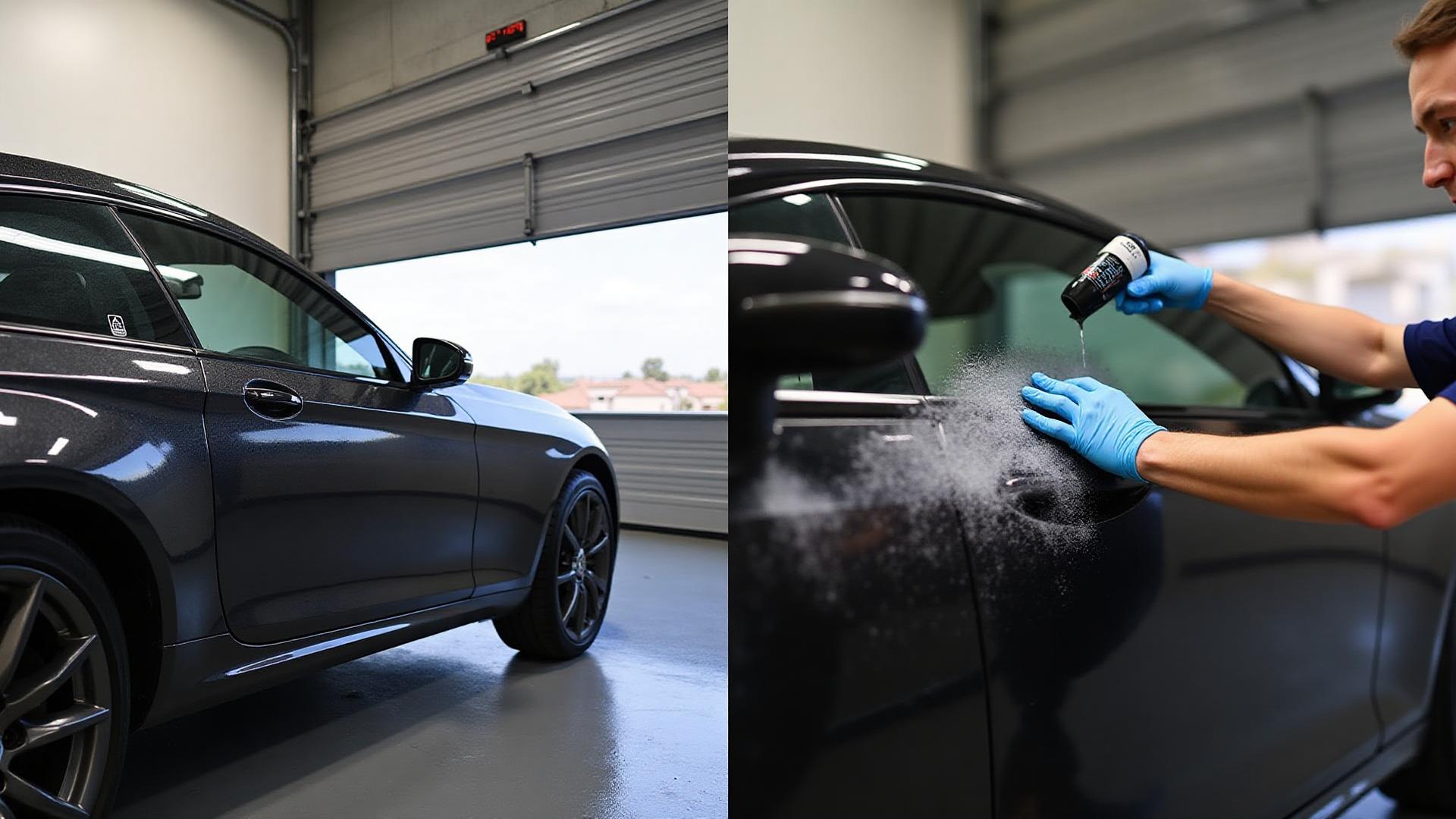
DIY ceramic coating is technically possible with consumer-grade products, but professional installation is necessary for proper results. The surface must be perfectly prepped—any swirls, scratches, or contaminants get locked in permanently.
Paint correction is usually required before application, adding time and cost. The application itself requires skill and precision. Mistakes are permanent until you remove the coating through aggressive polishing.
Consumer-grade spray coatings are easier to apply but provide minimal benefit—6-18 month lifespan instead of 2-7 years.
Con 4: Water Spots Still Happen (They're Just Easier to Remove)
Despite excellent hydrophobic properties, water spots can still form on ceramic coating—especially with Arizona's hard water. The coating doesn't make water spotting impossible; it just reduces it significantly and makes spots easier to remove.
If you let hard water dry on a coated surface repeatedly, mineral deposits will eventually bond. The difference is these deposits sit on top of the coating (removable) rather than etching into the clear coat (permanent).
Con 5: Maintenance Still Required
Ceramic coating is not "set it and forget it." You still need to wash regularly, apply ceramic boost sprays every 3-6 months, avoid automatic car washes with harsh brushes, and use pH-neutral products.
The maintenance is easier and less frequent than uncoated paint, but it's not zero maintenance. Neglecting a coated vehicle will still result in contamination and reduced performance.
Con 6: Performance Degrades Over Time
Even quality ceramic coatings gradually lose performance. The hydrophobic properties diminish, chemical resistance decreases, and self-cleaning effect reduces over years.
A 5-year-old coating performs at maybe 75-80% of original capacity. It's still providing protection—significantly better than no coating—but it's not as impressive as day one. This is normal but something to understand.
Con 7: Not All Coatings Are Equal
The ceramic coating market is flooded with products ranging from legitimate professional-grade coatings to basically overpriced sealants marketed as "ceramic coating." Not all coatings deliver the promised benefits.
Consumer-grade spray coatings labeled "ceramic" often provide minimal actual ceramic content and last only 6-18 months. Only professional-grade coatings like System X, Gtechniq, or Modesta deliver the genuine long-term benefits discussed in this article.
This makes choosing a reputable installer critical—you need someone using legitimate products and proper application techniques.
The Bottom Line: Is It Worth It?
After laying out all the pros and cons honestly, here's my take after 15 years of experience: ceramic coating is absolutely worth it for most vehicle owners in Arizona, especially if you plan to keep your vehicle 3+ years and care about appearance and protection.
The pros genuinely outweigh the cons for long-term ownership. The UV protection alone justifies the investment in harsh climates. The easier maintenance saves hundreds of hours over ownership. The enhanced appearance and resale value provide additional benefits.
The cons are real—it's not scratch-proof, requires upfront investment, and needs proper installation. But these are limitations to understand, not deal-breakers for most people.
The key is having realistic expectations. Understand what ceramic coating does (excellent UV protection, chemical resistance, hydrophobic properties, easier maintenance) and what it doesn't do (prevent all scratches, eliminate all maintenance, last forever at 100% performance).
If you want the best long-term protection for your vehicle's paint in Arizona's demanding climate, ceramic coating is the clear choice. Just make sure you work with a reputable installer using quality products like System X.
Ready to protect your vehicle with realistic expectations? Schedule a consultation at Upscale Detailz. We'll discuss your specific situation and recommend the right solution—even if that's not ceramic coating. Call (480) 555-0123 to get started.
Jeff Sheppard
Owner & Lead Detailing Specialist
With over 15 years of experience in professional auto detailing and ceramic coating applications, Mike has transformed thousands of vehicles in the Scottsdale area.