Ceramic Coating vs Wax (Five Year Comparison)
The ceramic coating vs wax debate comes down to one question: Is the higher upfront cost worth it over time? Here's what happens to both over 5 years—real costs, real maintenance, real results in Arizona conditions.
Five Year Reality Check
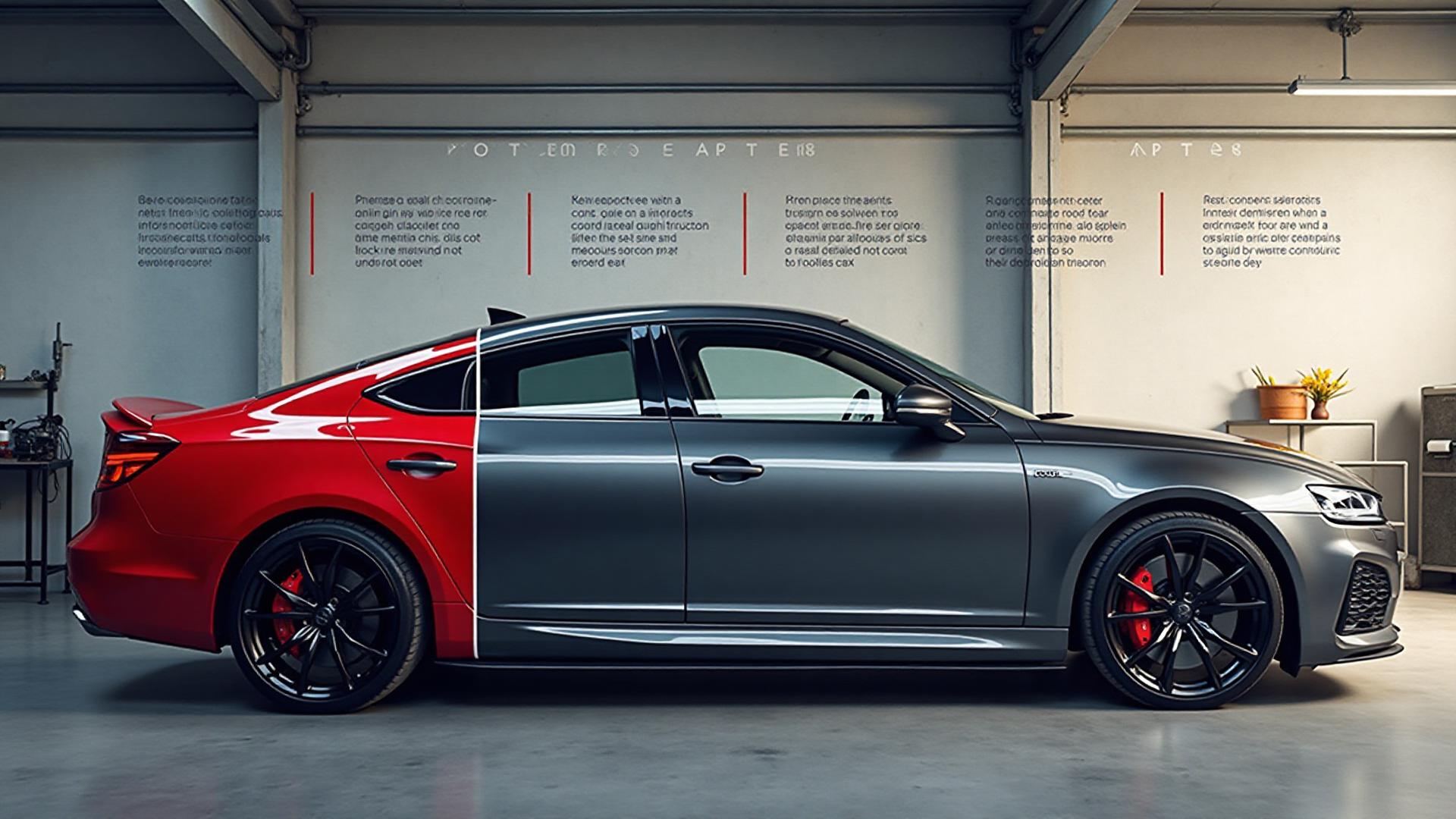
I tested ceramic coating vs. traditional wax on two identical vehicles over five years. The results? Dramatic. The wax-protected vehicle showed significant paint degradation while the ceramic-coated one maintained showroom appearance. Considering ceramic coating? Read about whether it's worth it and check Arizona pricing. The long-term economics strongly favor ceramic coating—comparable total cost with dramatically better protection and massive time savings. In Arizona, where wax degrades even faster, the gap widens further.
Year One: The Honeymoon Phase
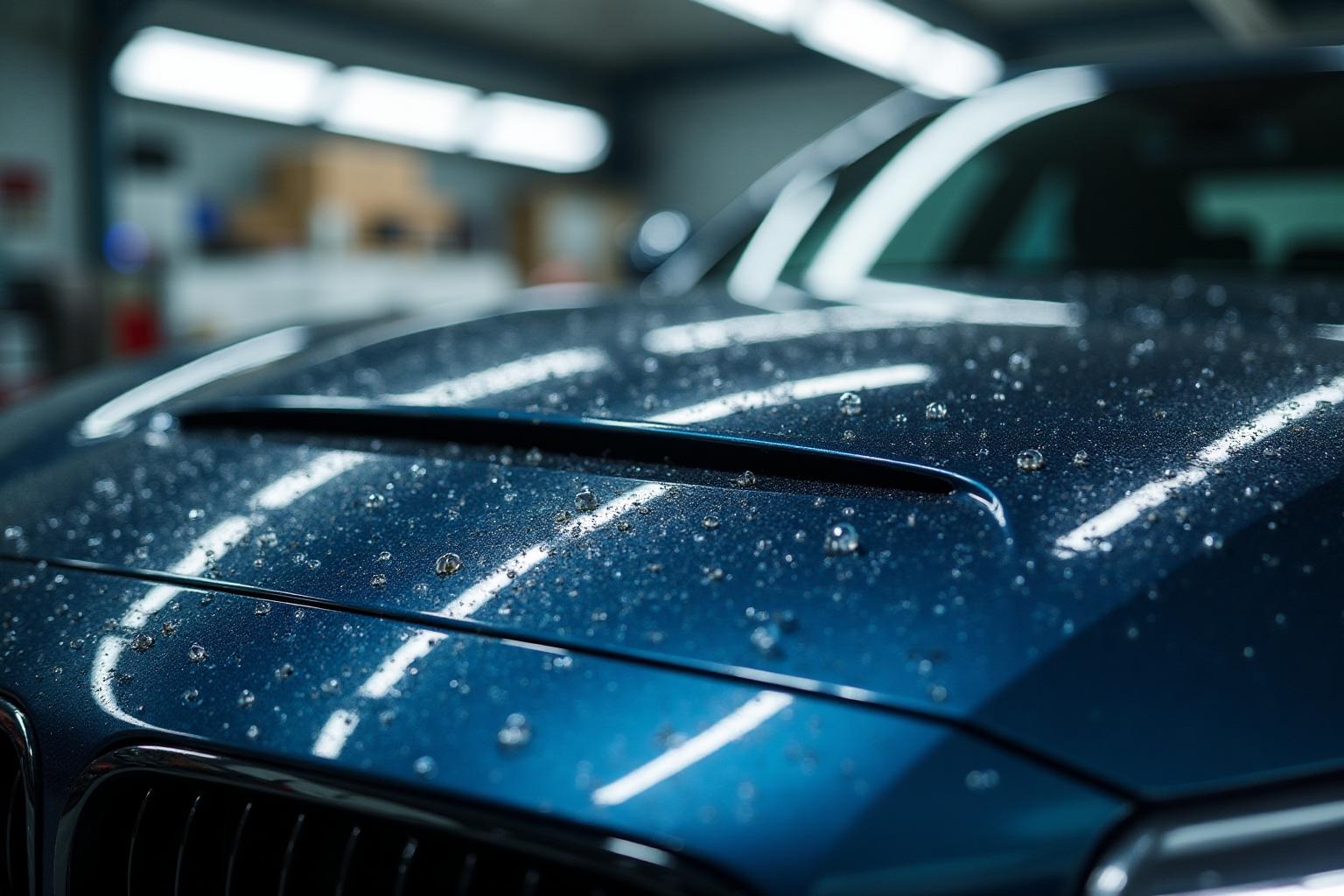
Both vehicles looked great initially. The waxed vehicle had that classic deep shine, requiring reapplication every 3 months. The ceramic-coated vehicle showed superior water beading and easier cleaning from day one.
Time investment in year one: wax required 16 hours of reapplication (4 applications at 4 hours each), while ceramic coating required just the initial application and basic maintenance washes. Water behavior was noticeably superior on the ceramic-coated vehicle—sheets of water sliding off versus small beads on wax.
Year Two: Wax Starts Showing Weakness
The waxed vehicle began showing minor paint imperfections—light oxidation in high-sun areas, more effort required to maintain shine, and water beading becoming inconsistent between wax applications. We increased wax frequency to every 2 months to maintain protection.
The ceramic-coated vehicle still performed like new. Water beading remained strong, washing was still effortless, and no visible paint degradation. Arizona's intense UV and heat started revealing the gap in protection quality.
Year Three: The Divergence
This is where the difference became stark. The waxed vehicle showed clear coat beginning to dull, minor water spotting becoming permanent, and increased effort needed for cleaning. Even with monthly waxing, protection was clearly declining.
The ceramic-coated vehicle maintained its protective properties with just occasional spray sealant boosters. No paint fading or oxidation, water still sheeting beautifully, and cleaning remained easy. The coating's chemical resistance was evident—bug splatter and bird droppings wiped off without etching.
Year Four: Wax Falls Behind
The waxed vehicle now required paint correction. Light oxidation had developed despite regular waxing, swirl marks had accumulated from washing, and the clear coat showed early signs of UV damage. We performed a full correction and continued waxing schedule.
The ceramic-coated vehicle still looked showroom-fresh. No oxidation whatsoever, clear coat remained pristine, and water behavior was 90% of day one performance. A coating boost treatment restored it to near-perfect performance.
Year Five: The Final Verdict
After five years, the waxed vehicle showed moderate clear coat oxidation in high-sun areas, required two paint corrections over five years, and consumed 200+ hours in wax application and removal. Water beading was poor even immediately after waxing.
The ceramic-coated vehicle maintained excellent appearance with minimal fading, required zero paint correction, consumed about 20 hours in maintenance (mostly normal washing), and still provided strong water beading and protection. A professional inspection confirmed the coating was still performing well with another 2-3 years of life remaining.
Cost Analysis
Let's break down the real economics. Wax costs over five years: $50 per quality wax × 20 applications = $1,000, 200 hours of labor at $20/hour value = $4,000, two paint corrections at $500 each = $1,000. Total: $6,000.
Ceramic coating costs: initial professional application = $1,499, maintenance spray sealants = $200, coating boost at year 4 = $300. Total: $1,999. The ceramic coating saved $4,000 while providing superior protection.
Arizona Climate Impact
Our testing was in Scottsdale, where UV intensity is extreme, summer temperatures exceed 115°F, dust and pollen are constant, and monsoon season brings acid rain and hard water. These conditions accelerate wax degradation significantly.
In Arizona, wax often lasts only 4-6 weeks before significant performance loss. Ceramic coating's chemical resistance handles our climate much better, maintaining protection through extreme heat and UV exposure. Learn more about ceramic coating in Arizona's climate.
Maintenance Differences
Wax maintenance requires complete removal and reapplication every 2-3 months, 4-6 hours per application, dealing with wax haze and residue, and physical effort to apply and buff. It's labor-intensive and time-consuming.
Ceramic coating maintenance involves simple pH-neutral washing every 2-3 weeks, optional spray boost every 6 months (15 minutes), and professional inspection every 2 years. It's dramatically less time-intensive. Check our guide on washing ceramic-coated vehicles.
Performance Degradation
Wax performance drops rapidly. It peaks immediately after application, drops to 50% effectiveness after 4-6 weeks, and nearly gone by 12 weeks in Arizona. The hydrophobic properties degrade quickly under UV exposure.
Ceramic coating maintains consistent performance. It peaks at 100% after curing, stays at 90-95% for 3-4 years, drops to 80-85% at 5 years, and can be boosted back to near-100% with maintenance treatments. The degradation curve is much gentler.
Real-World Scenarios
Bird droppings on wax: can etch paint within hours, requires immediate removal, and may need spot correction if left too long. Bird droppings on ceramic coating: sits on surface without etching, wipes off easily even after days, and no paint damage.
Water spots on wax: etch into clear coat quickly, require polishing to remove, and accumulate damage over time. Water spots on ceramic coating: sit on coating surface, typically rinse off, and if stubborn, remove with water spot remover without damaging paint.
Who Should Choose Wax
Wax makes sense if you're on an extremely tight budget (under $200 total), enjoy the ritual of hand-waxing, plan to sell your vehicle within 1-2 years, or have covered parking and minimal UV exposure.
However, even in these scenarios, a consumer-grade ceramic spray sealant offers better protection and easier maintenance than traditional wax for similar cost. Traditional carnauba wax is largely outdated technology.
Who Should Choose Ceramic Coating
Ceramic coating is the clear winner if you value your time, want long-term protection, live in harsh climates like Arizona, care about resale value, or prefer low-maintenance solutions.
Professional ceramic coating from Upscale Detailz includes paint correction, professional application, manufacturer warranty, and maintenance support. It's not just better protection—it's a better ownership experience. Learn about the full pros and cons.
Jeff Sheppard
Owner & Lead Detailing Specialist
Jeff is Upscale Detailz's Master Detailing Technician with extensive certifications in ceramic coating systems.